
Buzz E-Bike Battery FAQ: Charging, Range, Storage, Rain and Maintenance
Buzz Bicycles' own answers on its 500 Wh e-bike battery: charge time, real-world range, riding without the battery, winter storage, rain, hills, payload, UL 2849 safety and the 2-year electrical warranty.
Disclosure: This page may contain affiliate links. They do not influence our editorial conclusions. Read the disclosure.
Our pick
- See price at Buzz Bicycles
Top pick
Buzz Bicycles
Buzz Bicycles is a Dayton, Ohio e-bike brand from United Wheels, the company behind Huffy, that sells affordable step-through electric bikes, including the Cera...
What this guide covers
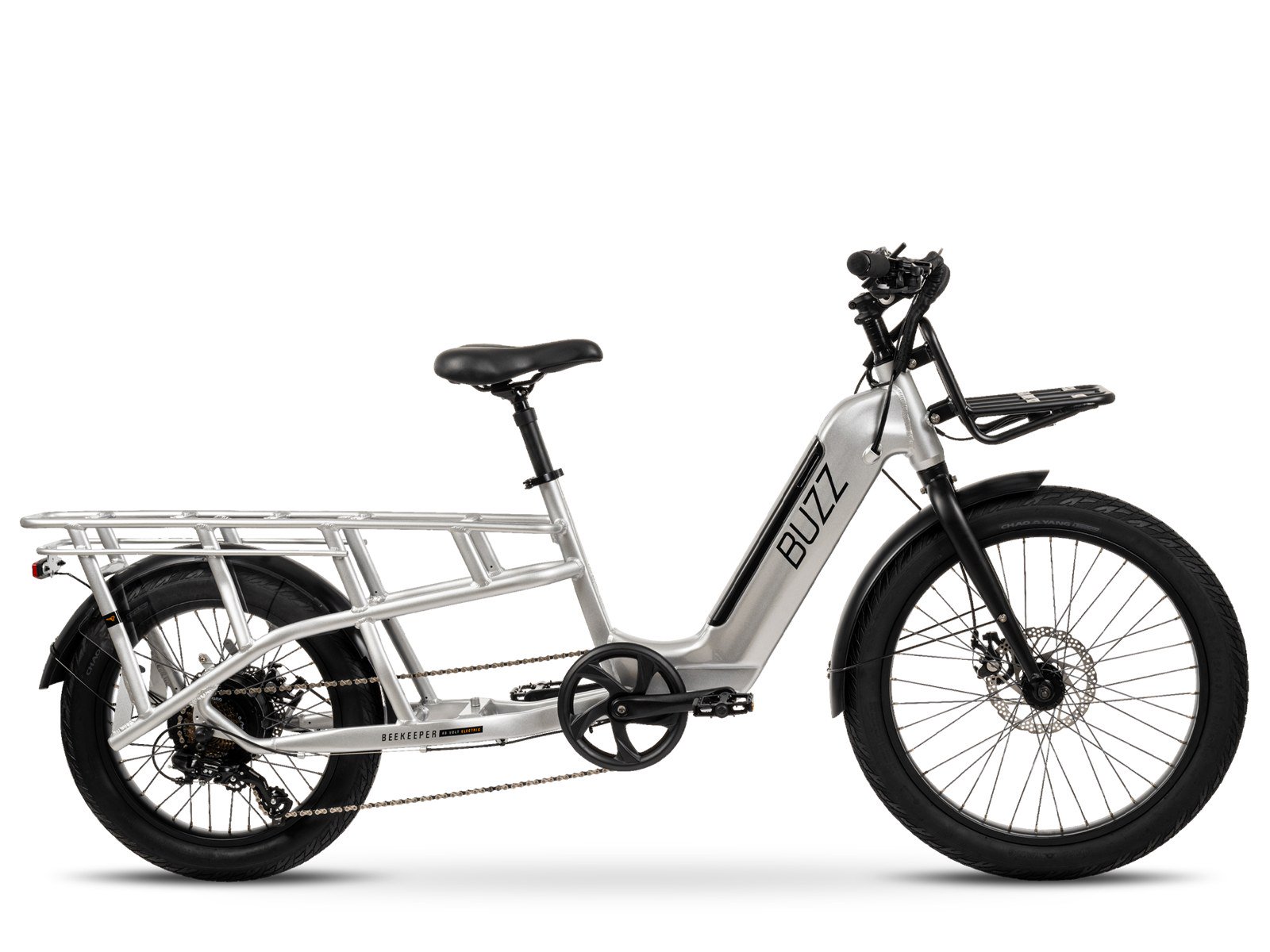
Buzz Bicycles keeps its e-bike lineup simple, and the batteries are no exception: the Centris 2, Cerana 2, Beekeeper and Cerana T2 all use the same 48-volt, 10.4 amp-hour battery. That makes most battery and ownership questions the same across the range. This FAQ collects Buzz's own answers, from its product pages and support material, with general e-bike battery safety advice from the U.S. Consumer Product Safety Commission (CPSC), so you know what to expect before and after you buy.

Quick facts
| Question | Buzz's answer |
|---|---|
| Battery | 48 V, 10.4 Ah, 500 Wh lithium-ion, on all four current models |
| Charge time | 4 to 6 hours from empty |
| Listed range | Up to 40 miles, marked with an asterisk |
| Removable? | Yes, with a key lock |
| Pedal without battery? | Yes |
| Ride in rain? | Yes, in normal rain; don't submerge or pressure-wash |
| Electrical warranty | 2 years, covering motor, battery and display |
| Safety standard | UL 2849 for the e-bike electrical system |
What battery do Buzz e-bikes use?
Buzz lists a 48-volt, 10.4 amp-hour battery for the Centris 2, Cerana 2, Beekeeper and Cerana T2. Multiply the two and you get about 500 watt-hours, which is the figure Buzz shows on its spec sheets. That is a common size for e-bikes in the $900 to $1,400 range. Larger-battery bikes from other brands often list 700 Wh or more, so if you need a lot of range, compare watt-hours rather than the headline mileage.
How far can I ride on one charge?
Buzz lists "up to 40 miles" on each model, and its product-page FAQ is careful about what that means: range depends on terrain, rider weight, wind and the pedal-assist level, and using the higher assist levels or the throttle more often will reduce it. In other words, 40 miles is a best case. Hills, cold weather, a heavy load on the Beekeeper's rear rack and frequent stops all cut it.
A practical way to plan is to ride a known route on a full charge in your normal assist level and watch the battery gauge on the display. Buzz's center-mounted LCD shows speed, assist level, battery level and trip distance, so after a week of commuting you will know your real range much better than any estimate.

Do I have to pedal for the motor to work?
No. Buzz says its bikes can be ridden three ways: pedaling like a regular bike, pedaling with pedal assist, or using the thumb throttle without pedaling. The Cerana 2 and Beekeeper are listed as Class 2 e-bikes, with a 20 mph limit on the throttle. The Centris 2 lists 20 mph on the throttle alone and up to 28 mph with pedal assist. Riding on the throttle is convenient, but it uses the battery faster than pedaling with low assist.
Can I ride without the battery?
Yes. Buzz says that, like most e-bikes, its bikes can still be pedaled like a regular bicycle if the battery is removed or runs flat. Expect it to feel heavy: Buzz lists assembled weights of 63 pounds for the Cerana 2, 71.33 pounds for the Centris 2 and 72 pounds for the Beekeeper, and none of that weight goes away when the motor stops helping.
How do I charge the battery, and how long does it take?
Buzz says to use the charger included with your bike and plug it into a standard household outlet. A full charge from empty takes 4 to 6 hours. The battery is removable, and Buzz says you can charge it either while it is locked into the frame or after taking it out to charge indoors. The Centris 2 comes with three keys for the battery lock, along with the charger.
The CPSC gives charging advice that applies to every e-bike:
- Follow the manufacturer's charging instructions and unplug the charger when charging is done.
- Be present while the battery charges. The CPSC says it has seen many lithium-ion battery fires happen at night while families were asleep, so don't charge overnight or while you are out.
- Use only the charger that came with the bike or one the manufacturer recommends.
- Use only replacement batteries that the manufacturer confirms are suitable for your bike, and never use a battery that has been modified or rebuilt by unqualified people.
How should I store the battery?
Buzz's care advice is short:
- Store the battery in a dry, temperature-controlled place.
- For long-term storage, keep it partly charged, at around 40 to 70%.
- Avoid leaving it fully drained for long periods.
That matters most in winter. If you put the bike away in a cold garage for a few months, take the battery indoors, charge it to roughly half and check it now and then rather than leaving it empty on the bike.
Can I ride a Buzz e-bike in the rain?
Buzz says yes: e-bikes are designed to handle normal rain and wet conditions. But the bike should not be submerged, and it should not be washed with high-pressure water, which can push water past seals into electrical parts. Wipe the bike down after a wet ride, and use a bucket and a soft brush instead of a pressure washer when you clean it. The Cerana 2, Centris 2 and Beekeeper all come with fenders, which helps keep road spray off you and the drivetrain.
Can I ride up hills?
Yes. Buzz says pedal assist makes hills easier than on a regular bike. Each model has five assist levels. On steep or long climbs, shift to an easier gear and use a higher assist level rather than relying on the throttle alone. On a 500-watt rear hub motor, that is easier on both the battery and the motor. Of the current models, Buzz lists a torque figure for the Centris 2: 65 newton-meters.
How much weight can it carry?
Buzz lists payload limits that include the rider: up to 300 pounds for the Cerana 2 and Centris 2, up to 400 pounds for the Beekeeper, and up to 450 pounds for the Cerana T2 trike. A heavier load means more work for the battery, so expect shorter range when you carry kids or groceries on the Beekeeper.
Is the battery safe?
Buzz says its e-bikes are tested to UL 2849, the U.S. safety standard for e-bike electrical systems, which looks at the battery, motor, charger and wiring together. The Centris 2 page adds that it is also tested to UL 2271, a standard for the battery itself. Both certifications are a good sign, and the CPSC recommends using e-bikes and batteries certified to the applicable safety standards. They don't replace safe charging habits.
Does a Buzz e-bike need maintenance?
Buzz says maintenance is similar to a regular bicycle: check the brakes, tires and drivetrain from time to time. Before each ride, the CPSC suggests checking the handlebars, brakes, throttle, bell, lights, tires, cables and frame for damage. The Cerana 2 and Beekeeper use mechanical disc brakes, which need occasional cable adjustment as the pads wear; the Centris 2 has hydraulic brakes that adjust themselves as the pads wear.
Do I need a license?
Buzz says that in most states e-bikes are treated like regular bicycles and don't need a license or registration, but you should always check local rules. That is especially true for the Centris 2, whose 28 mph assisted top speed is above the Class 2 limit. Many states call 28 mph e-bikes Class 3 and add rules such as age limits or where you can ride.
What does the warranty cover on the battery?
Buzz's warranty page covers electrical parts, including the motor, battery, LCD control panel and electric assist remote, for 2 years against manufacturing defects. Aluminum frames are covered for 10 years and most other components for 6 months. Wear and tear is not covered. Register your bike on buzzbicycles.com after delivery so Buzz can contact you about safety notices.
On that subject: in November 2026 Huffy and the CPSC recalled the Cerana T2 E-Trike (model E4004) because its rear wheels can come loose. The recall is about the rear axle, not the battery. If you own one, see our guide to the Cerana T2 recall and free rear axle repair.
Related reading
- Buzz Bicycles shopping guide: prices, shipping, returns and warranty
- Buzz Cerana 2 review
- Buzz Centris 2 vs Lectric XP4
References
- Buzz Bicycles, Centris 2 Folding Ebike product page, specifications and FAQs: https://www.buzzbicycles.com/buzz-centris/
- Buzz Bicycles, Cerana 2 Commuter Ebike product page: https://www.buzzbicycles.com/cerana2/
- Buzz Bicycles, Beekeeper Electric Cargo Bike product page: https://www.buzzbicycles.com/buzz-beekeeper-electric-cargo-bike-e4023/
- Buzz Bicycles, Shop Buzz eBikes: https://www.buzzbicycles.com/shop/
- Buzz Bicycles, Warranty and Return Policies: https://www.buzzbicycles.com/warranty-return-policies/
- U.S. Consumer Product Safety Commission, Micromobility Information Center: https://www.cpsc.gov/Safety-Education/Safety-Education-Centers/Micromobility-Information-Center
- U.S. Consumer Product Safety Commission, Huffy recall of Buzz Bicycles Cerana T2 E-Trikes, Nov 12, 2026: https://www.cpsc.gov/Recalls/2027/Huffy-Recalls-Buzz-Bicycles-Cerana-T2-E-Trikes-Due-to-Risk-of-Serious-Injury-from-Fall-Hazard
Meet your guide
Lipeiguan
author
What to read next
 Apple TV Will Be the Exclusive U.S. Home of F1 Academy Beginning in 2027 On November 19, 2026, Apple said F1 Academy will stream on Apple TV in the United States beginning in 2027, with every qualifying session and race included for U.S. Apple TV subscr... How to Watch F1 Academy on Apple TV in 2027: Official Calendar and Subscription Note Apple said U.S. Apple TV subscribers will get every F1 Academy qualifying session and race beginning in 2027. This guide records the official seven-round 2027 calendar graphic and...
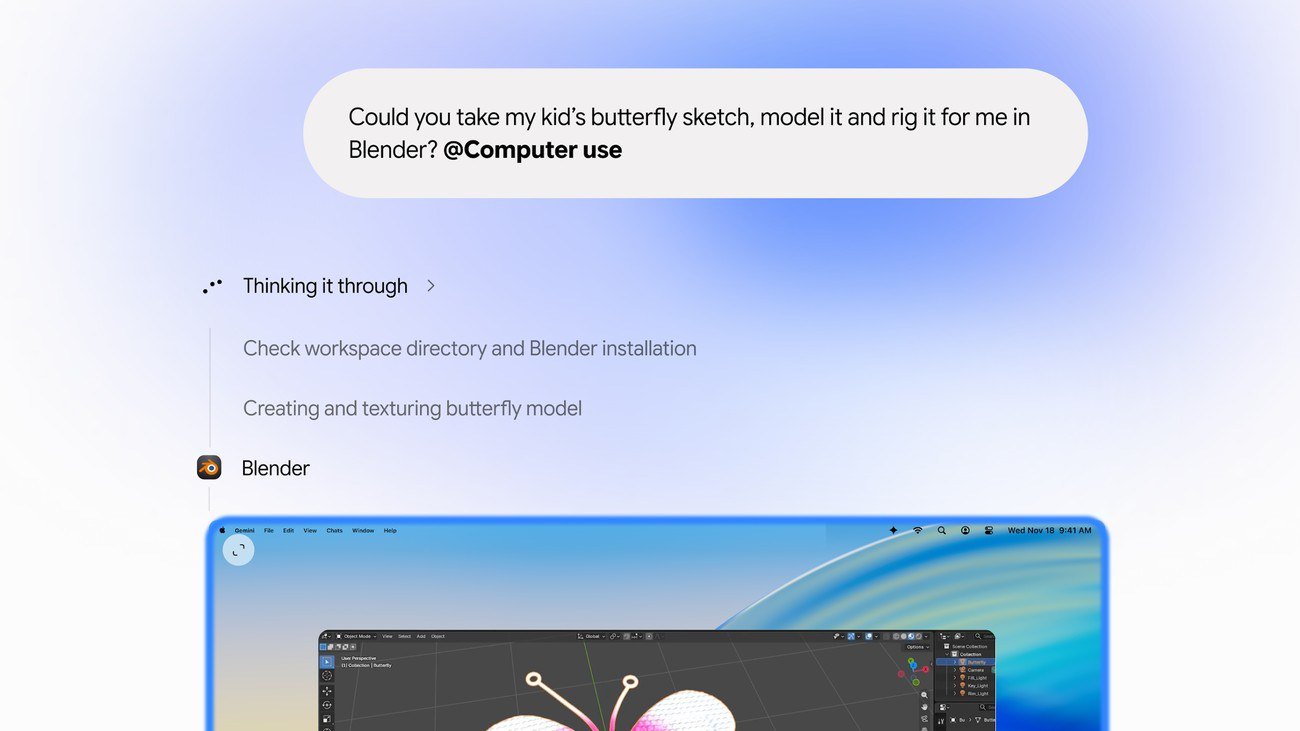 Google Adds Computer Use to the Gemini App for Mac in the U.S. On November 19, 2026, Google said computer use is available in the Gemini app for Mac, in English in the U.S. Official requirements include an Apple Silicon Mac on macOS Sequoia 15...