
RayNeo GT and GT Max Review: Display, IPD Options and Official Sale Prices
A research-based look at RayNeo's official GT and GT Max specs: GT is a 68-gram pair with a 201-inch, 46-degree display and a fixed 64mm IPD, officially $249 (was $329) on November 19, 2026; GT Max adds a 59-degree field of view, S/M/L IPD sizes and a 78-gram frame, officially $335 (was $429). This is not a hands-on test.
Disclosure: This page may contain affiliate links. They do not influence our editorial conclusions. Read the disclosure.
Our pick
- See price at RayNeo
Top pick
RayNeo
RayNeo is a consumer AR and AI smart-glasses brand. Its official U.S. store at rayneo.com sells display glasses such as GT and GT Max, iO everyday AI glasses, X...
Our verdict
Based on RayNeo's official U.S. product pages and Black Friday blog, the GT and GT Max are plug-in AR display glasses for movies and games, with official U.S. sale prices of $249 and $335 on November 19, 2026, native 3DoF tracking, and a clear official split: GT uses a fixed 64mm IPD and a 201-inch, 46-degree display in a 68-gram frame, while GT Max adds a 59-degree field of view, a 267-inch class display, 78-gram weight, and S, M and L IPD sizes.
Based on RayNeo's official U.S. product pages and Black Friday blog, the GT and GT Max are plug-in AR display glasses for movies and games, with official U.S. sale prices of $249 and $335 on November 19, 2026, native 3DoF tracking, and a clear official split: GT uses a fixed 64mm IPD and a 201-inch, 46-degree display in a 68-gram frame, while GT Max adds a 59-degree field of view, a 267-inch class display, 78-gram weight, and S, M and L IPD sizes.
That verdict is a summary of published specifications and verified store prices. It is not a hands-on test of comfort, brightness, audio or tracking in daily use.
What official pages say these glasses are for
RayNeo groups GT and GT Max as AR glasses for personal cinema and gaming, not as all-day camera glasses. Official product and blog copy describe a large virtual display, built-in spatial tracking, and Bang & Olufsen-tuned audio, with USB-C connections to compatible phones, laptops and handheld consoles. Everyday AI features such as live translation on the lenses, lifelog, and a “Hey RayNeo” assistant are reserved in official materials for the separate iO line, which is covered in the model-choice guide.
The official Black Friday blog is useful here because it states the intended split in plain language: GT Max is positioned for a more expansive movie and gaming image, GT for travel and everyday viewing in a lighter frame, and iO for hands-free AI assistance. Shoppers who want one device to do all of that will not find a single official SKU that claims every GT display feature plus every iO assistant feature at the GT price.

RayNeo GT: official display, weight and fit
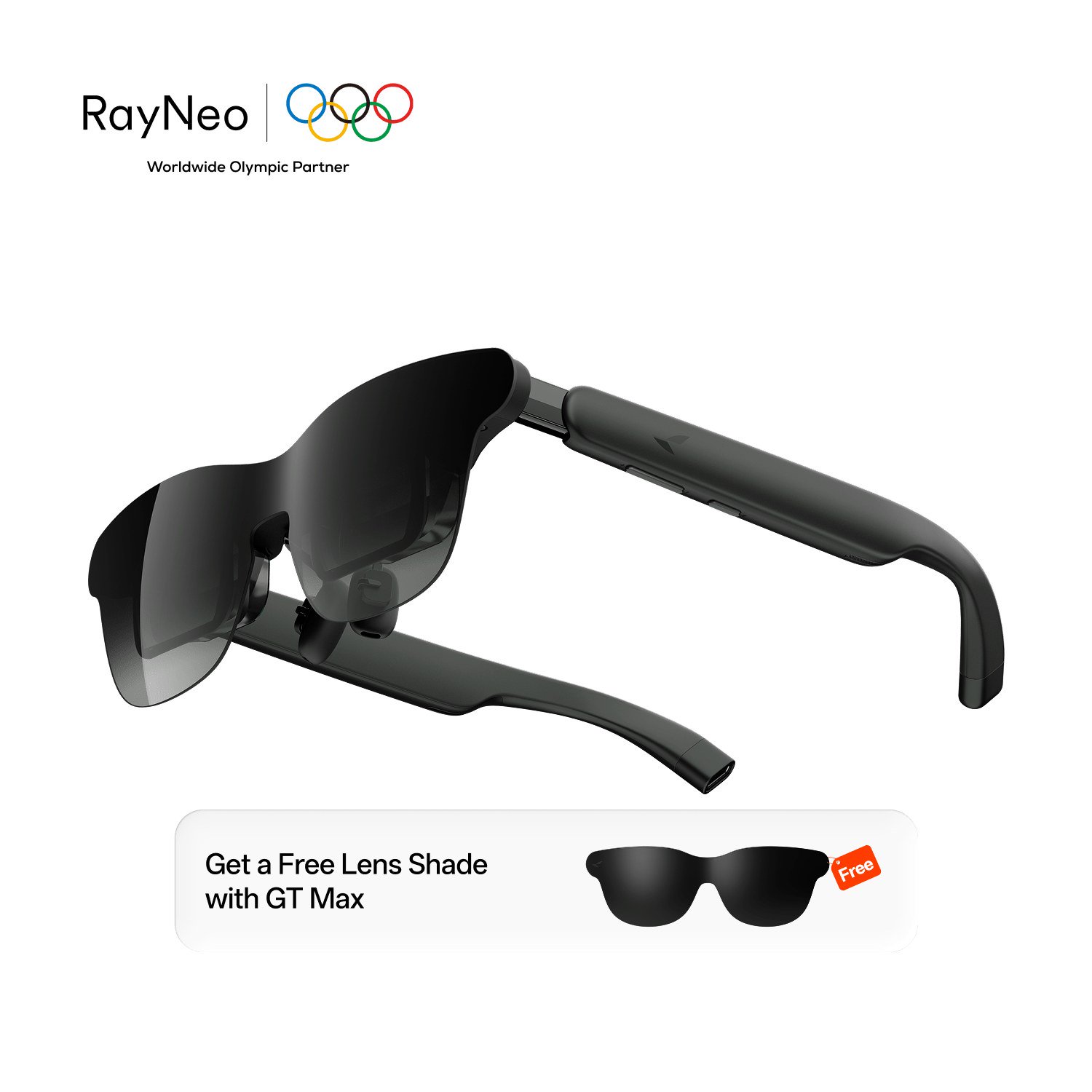
The official GT product page and Black Friday blog describe a 201-inch cinema display with a 46-degree field of view and three virtual display sizes. The optical system is listed as Peacock Optical Engine 3.0, with 49 pixels per degree, Full HD Micro-OLED panels, and a 200,000:1 contrast ratio. Native 3DoF tracking is built in: official copy says Steady Mode is meant to reduce unwanted screen movement during travel, and Pinned Mode keeps the virtual display fixed. A Vision 4000 display chip and a Zone 360 3DoF chip are named on the official product page.
Fit is simpler than on GT Max. Official GT materials specify a fixed 64mm IPD with adjustable nose pads, and they point customers who want S, M or L IPD options to GT Max. Official weight is 68 grams. Audio is described as Bang & Olufsen-tuned quad speakers, with an OptiCare setting that uses 3840Hz high-frequency dimming, which RayNeo says helps reduce visible flicker during longer sessions. Connection is described as a direct plug into compatible USB-C devices that support DisplayPort video output, including supported laptops, phones and handheld gaming consoles.
The official U.S. product page listed the GT at $249, down from a compare-at price of $329, and as in stock when we checked on November 19, 2026. That is a $80 official reduction from the compare-at price, not a 30% cut on this specific SKU. The “up to 30% off” headline on the sale page is a range across selected items, not a promise that every product is 30% off.
RayNeo GT Max: wider field of view and sized IPD
Official GT Max pages put the field of view at 59 degrees and describe a 267-inch cinema display, with adjustable virtual screen sizes listed up to 307 inches in the official blog. Native 3DoF tracking is also standard here, with official mode names of Pinned, Steady and Follow. The official blog adds that a RayNeo XR app on a supported iPhone can apply AI 2D-to-3D conversion on compatible 2D video.
The fit story is the main official difference besides field of view. GT Max is sold in three optical sizes: S for IPD under 64mm, M for 64–67mm, and L for IPD over 67mm, with adjustable nose pads. RayNeo points shoppers to ipd.rayneo.com to measure IPD. Official weight is 78 grams, 10 grams above the GT figure. Audio is described as Bang & Olufsen-tuned spatial audio with head tracking, plus Whisper Mode 2.0 to help reduce sound leakage.
On November 19, 2026, the official GT Max product page listed $335, down from $429, for the S, M and L sizes, all in stock. A Call of Duty: Modern Warfare 4 limited edition in the M IPD size was listed at $382, with a $449 compare-at price appearing among the page's compare-at figures. Confirm the edition and IPD size on the product page, because those are separate variants with different prices.

Official bundles and how they change the setup
RayNeo's official blog and bundle pages present two add-on paths. Pocket TV Pro is described as a portable Google TV device for streaming without relying on a phone or laptop, with official mentions of Netflix, YouTube, Prime Video and Disney+, 64GB of storage, microSD expansion, a 6,500mAh battery, and up to 5.5 hours of viewing. Official copy also says the Pocket TV Pro pairing enables Dolby Vision playback on compatible content with GT or GT Max.
JoyDock is described as an adapter that connects a compatible Nintendo Switch setup to RayNeo glasses and includes a 38Wh battery with reverse charging to help power the console. The official blog presents GT + JoyDock as the lighter gaming bundle and GT Max + JoyDock as the wider-display option.
Verified official U.S. bundle prices on November 19, 2026 were $369 (was $528) for GT + Pocket TV Pro, $469 (was $628) for GT Max + Pocket TV Pro, $299 (was $418) for GT + JoyDock, and $410 (was $518) for GT Max + JoyDock. Eligible GT-series purchases, the official blog says, also include a complimentary RayNeo Lens Shade. Those bundle compare-at gaps are among the larger official discounts in the sale; the GT + Pocket TV Pro reduction from $528 to $369 is about 30%, which is consistent with the sale page's “up to 30% off” wording.
Automatic extra savings of $20, $40 or $90 may also apply at official $299, $400 and $600 qualifying-order thresholds, with no code required. Because only the highest tier applies and the tier is recalculated after other discounts, the checkout total is the figure that matters. Shipping, 30-day returns and one-year U.S. warranty terms are in the RayNeo shopping guide.
What official specs do not tell you
RayNeo's public GT and GT Max pages, as we read them, do not publish a single official battery-life hour figure for the glasses themselves in the way iO's page discusses “up to two days” or “48 hours” of typical use. GT and GT Max are described as connecting to a host device, and the official GT page includes a FAQ about managing heat and reducing battery drain on that connected device. Anyone comparing these glasses with a self-contained headset should treat host-device battery life as a separate, device-specific question that official GT pages do not settle with a single number.
Official materials also do not, in the pages we cited, report independent lab measurements of brightness, color accuracy or tracking latency. Features such as “more stable viewing” and “astonishingly lightweight” are RayNeo's own product language. A research-based review can repeat those official claims and the numbered specs; it cannot convert them into a wear test.
Compatibility is similarly bounded by official wording: “compatible USB-C devices with DisplayPort video output” and “supported” phones, laptops and consoles. If a specific phone, Switch 2 setup or laptop is not listed as supported on the official product page or support documents, this article does not assume it will work.
Who the official lineup points toward
If the official specifications are the guide, GT is the listed choice when a 68-gram frame, a 201-inch 46-degree display and a $249 official sale price matter more than a wider field of view or a custom IPD size. GT Max is the listed choice when a 59-degree field of view, a 267-inch class display and S/M/L IPD sizing are worth the official $335 sale price and the extra 10 grams. Shoppers whose IPD is not near 64mm should pay particular attention to that official GT Max sizing, because the official GT page itself sends those buyers to GT Max.
Current official sale prices were verified on November 19, 2026, and they can change before the event ends on November 30. Confirm the live price, IPD variant and stock on the official product page, and use the shopping guide for delivery and return rules before you order.
References
- RayNeo, "RayNeo GT AR Glasses," accessed November 19, 2026: https://www.rayneo.com/products/rayneo-gt-ar-glasses
- RayNeo, "RayNeo GT Max AR Glasses," accessed November 19, 2026: https://www.rayneo.com/products/rayneo-gt-max-ar-glasses
- RayNeo, "RayNeo iO Smart Glasses," accessed November 19, 2026: https://www.rayneo.com/products/rayneo-io-ai-glasses
- RayNeo, "Your Portable Private Cinema: GT + Pocket TV Pro," accessed November 19, 2026: https://www.rayneo.com/products/gt-pocket-tv-pro
- RayNeo, "The Ultimate Private Cinema Experience: GT Max + Pocket TV Pro," accessed November 19, 2026: https://www.rayneo.com/products/gt-max-pocket-tv-pro
- RayNeo, "Your Big-Screen Gaming Setup: GT + JoyDock," accessed November 19, 2026: https://www.rayneo.com/products/gt-joydock
- RayNeo, "Level Up Your Gaming Experience: GT Max + JoyDock," accessed November 19, 2026: https://www.rayneo.com/products/gt-max-joydock
- RayNeo, "RayNeo Black Friday Sale 2026: Dates, Deals & Offers," November 10, 2026: https://www.rayneo.com/blogs/news/rayneo-black-friday-sale
- RayNeo, "Black Friday Smart Glasses Deals 2026," accessed November 19, 2026: https://www.rayneo.com/pages/rayneo-black-friday-sale
Meet your guide
Lipeiguan
author
What to read next
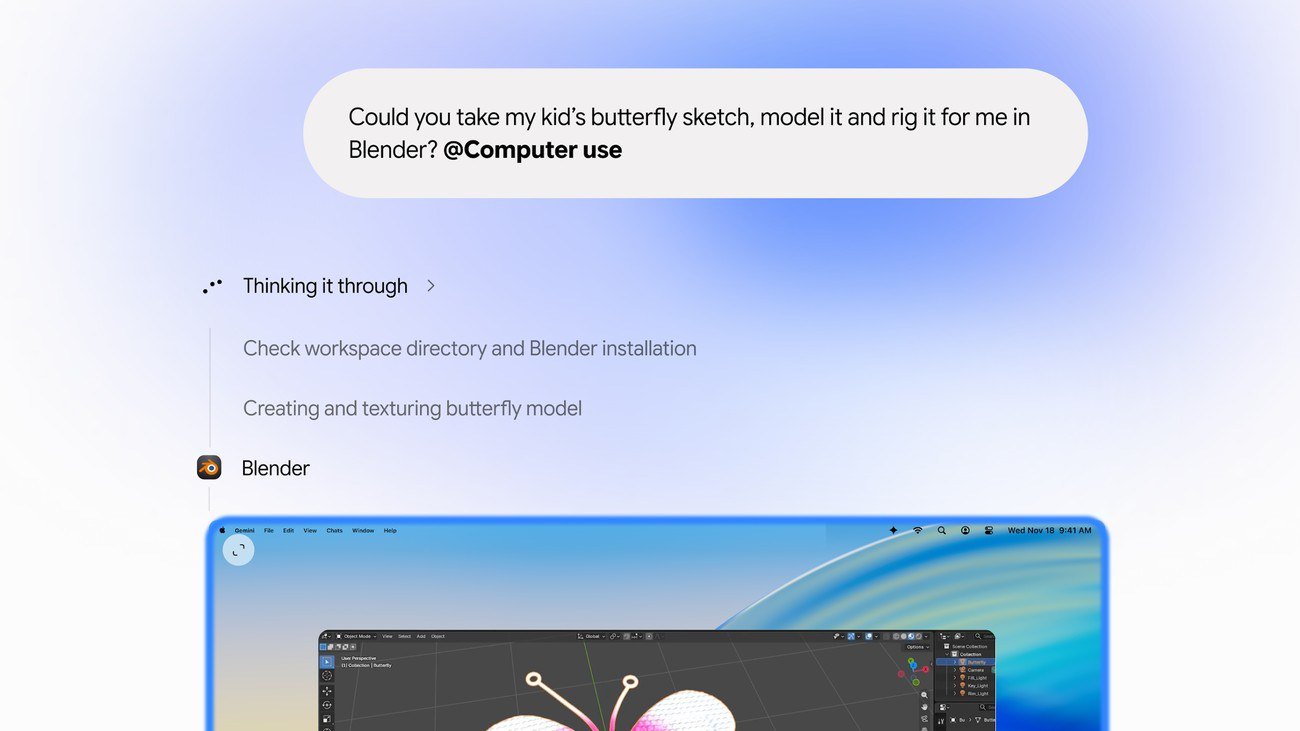 Google Adds Computer Use to the Gemini App for Mac in the U.S. On November 19, 2026, Google said computer use is available in the Gemini app for Mac, in English in the U.S. Official requirements include an Apple Silicon Mac on macOS Sequoia 15... How to Use Gemini Computer Use on a Mac: Official Requirements, Permissions and Examples Official Google requirements for computer use in the Gemini app for Mac: an Apple Silicon Mac on macOS Sequoia 15.0 or later, a personal Google account for people 18 or older, a Go...
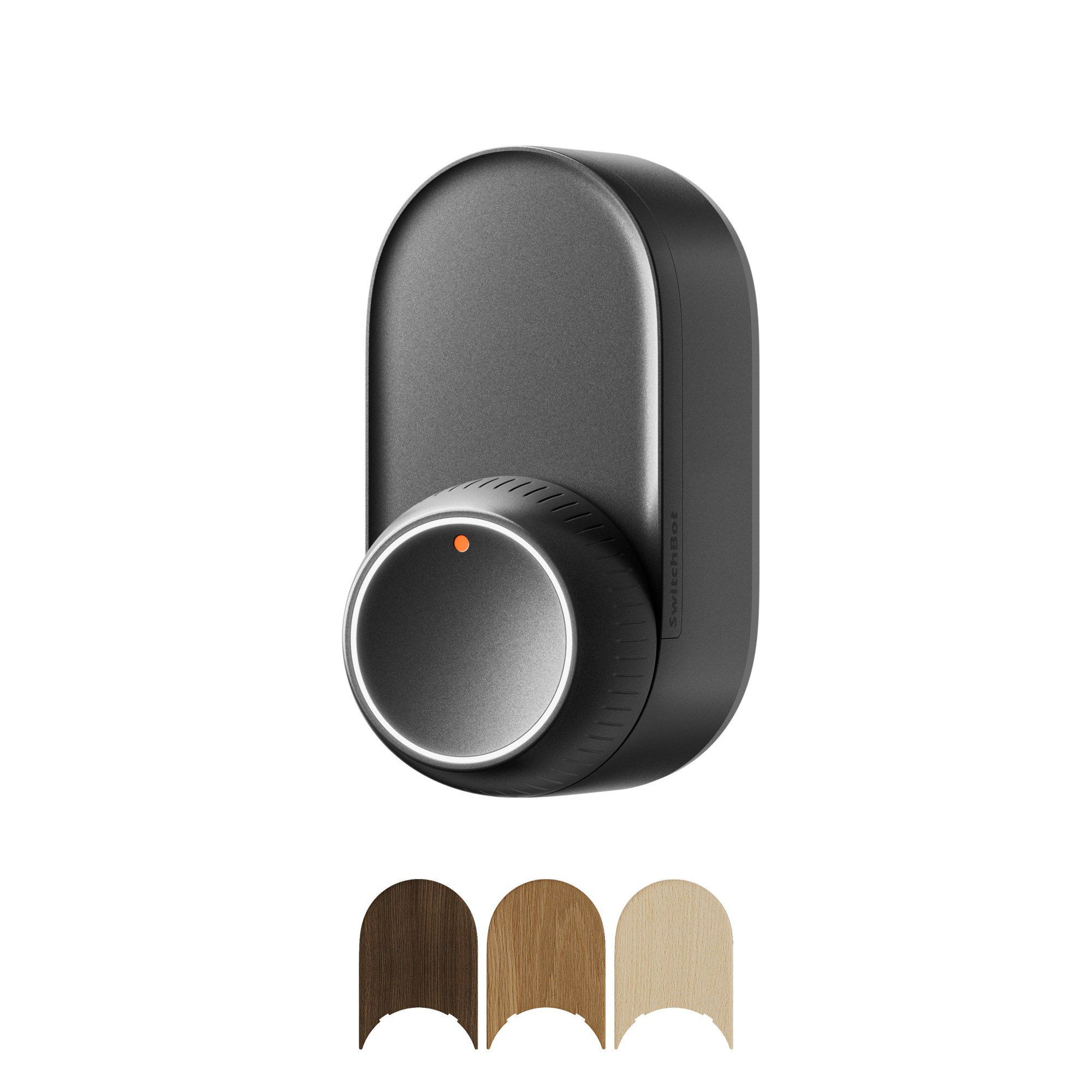 How to Choose a SwitchBot Lock: Lock Pro vs Lock Ultra vs Lock Vision and Vision Pro A research-based guide to official SwitchBot Lock Pro, Lock Ultra, Lock Vision and Lock Vision Pro specs and November 20, 2026 U.S. prices, including batteries, hubs, keypads, comp...