
Prime Video vs Netflix (2026): Price, Ads, 4K, Screens and Sharing Compared
A plan-by-plan comparison of Prime Video and Netflix in the US using each company's published pricing: entry tiers, ad-free and 4K costs, annual totals, ads on live sports, streams, downloads, sharing and which to pick.
Disclosure: This page may contain affiliate links. They do not influence our editorial conclusions. Read the disclosure.
Our pick
- See price at Prime Video
Top pick
Prime Video
Amazon's streaming video service, included with Amazon Prime membership.
Prime Video and Netflix are the two subscriptions most US households end up weighing against each other, and in 2026 both have reshaped their plans around ads. Netflix sells three tiers with different video quality and screen limits. Amazon includes Prime Video with Prime, sells it on its own, and charges extra through Prime Video Ultra to remove ads and unlock 4K. The cheapest way to watch, and the cheapest way to watch in 4K without ads, are not the same on each service.
This comparison uses the US prices and features each company publishes, checked on November 3, 2026: Netflix's Plans and Pricing help page and signup page, and Amazon's Prime fee page and Prime Video Ultra announcement. Prices can change and taxes may apply, so check the official pages before you subscribe.

The short answer
- Cheapest way in: a tie at $8.99 a month. That buys Netflix Standard with ads, or a standalone Prime Video membership, which also has ads.
- Cheapest ad-free 4K: Prime Video. A Prime Video membership plus Ultra costs $13.98 a month, compared with $26.99 for Netflix Premium.
- Best if you already pay for Prime: Prime Video is already included. Adding Ultra for $4.99 a month removes ads from movies and shows and adds 4K.
- Best for sharing outside your home: Netflix, which sells paid extra member slots ($7.99 to $9.99 a month each) on its Standard and Premium plans.
- Most simultaneous screens: Prime Video Ultra, with five streams, compared with four on Netflix Premium.
Price and plan comparison
| Plan | Monthly price (US) | Ads | Best video quality | Screens at once | Downloads |
|---|---|---|---|---|---|
| Netflix Standard with ads | $8.99 | Yes | 1080p | 2 | 2 devices |
| Netflix Standard | $19.99 | No | 1080p | 2 | 2 devices |
| Netflix Premium | $26.99 | No | 4K + HDR | 4 | 6 devices |
| Prime Video membership | $8.99 | Yes | HD, HDR10/10+, Dolby Vision | 4 | 50 titles |
| Amazon Prime (includes Prime Video) | $14.99, or $139/year | Yes | HD, HDR10/10+, Dolby Vision | 4 | 50 titles |
| Prime Video Ultra add-on | +$4.99, or +$45.99/year with annual Prime | No (movies and shows) | 4K/UHD, Dolby Atmos | 5 | 100 titles |
Netflix bills monthly only. Its help page says it does not offer annual, multi-month or lifetime plans. Amazon offers an annual Prime option, and annual Prime members can pick an annual Ultra plan at $45.99, which Amazon describes as a 23% discount on the monthly rate.

What each setup costs over a year
Using the published prices, here is the annual cost of the most common setups:
| Setup | Cost per year |
|---|---|
| Netflix Standard with ads | $107.88 |
| Prime Video membership (with ads) | $107.88 |
| Netflix Standard (ad-free, 1080p) | $239.88 |
| Prime Video membership + Ultra (ad-free, 4K) | $167.76 |
| Annual Prime + annual Ultra | $184.99 |
| Netflix Premium (ad-free, 4K) | $323.88 |
The annual Prime figure also covers Amazon's shopping benefits, such as Prime shipping, which matters if you would pay for Prime anyway. If you only want to stream, the standalone Prime Video membership is $6 a month cheaper than Prime.
Ads: who removes them, and where
Netflix ad-free plans are truly ad-free for its catalog. Standard and Premium are described as "unlimited ad-free movies, TV shows, and games." On Standard with ads, Netflix says most movies and TV shows are available, but a lock icon marks titles that are not, and its signup page explains that a small number are unavailable because of licensing restrictions.
Prime Video is ad-supported by default, whether you get it through Prime or the standalone membership. Ultra removes ads from Prime movies and shows, but Amazon's footnote says live TV and events, such as sports, and other select ad-supported content and subscriptions may still include ads with Ultra. Amazon's help pages also note that some titles include promotional trailers before a movie or show, which you can skip but Ultra does not remove.
So if you watch a lot of live sports on Prime Video, Ultra will not make your viewing completely ad-free.
Video and sound quality
On Netflix, 4K is a Premium-only feature: Premium streams in 4K (Ultra HD) with HDR and includes Netflix spatial audio, while both Standard plans top out at 1080p.
On Prime Video, the included benefit now covers HD, HDR10, HDR10+ and Dolby Vision. Amazon says Dolby Vision was newly added to the included tier in 2026. 4K/UHD and Dolby Atmos now require Ultra. Amazon adds that these features apply to Prime movies and TV shows and depend on your internet bandwidth and device, and that not every title is available in every resolution. Netflix gives a similar caveat on its plan page.

Screens, downloads and sharing
Simultaneous streams. Netflix allows two screens on either Standard plan and four on Premium. Prime Video allows four with the included benefit and five with Ultra. Amazon says those limits apply across all profiles on the account, and title, device and provider limits may also apply.
Downloads. Netflix counts download devices: two on Standard plans and six on Premium. Prime Video counts titles: 50 downloads on the included benefit and 100 with Ultra.
Sharing. Netflix says an account cannot be shared outside your household, meaning the devices connected at the main place where you watch. Instead, account owners on Standard can add one extra member and Premium owners up to two, at $7.99 a month with ads or $9.99 without. Extra members cannot be added to the ad-supported plan. Amazon lets US Prime members share Prime benefits, including Prime Video, through Amazon Family, but its help page says profiles linked from other Amazon accounts cannot share your Ultra benefit.
What you get to watch
Both services keep their libraries the same across price tiers. Netflix's ad-supported tier is the exception, with a small number of titles locked for licensing reasons.
Prime Video. Amazon says customers get the same selection with or without Ultra. That includes original series such as Fallout, Reacher, The Boys, The Lord of the Rings: The Rings of Power and The Summer I Turned Pretty, original movies, licensed films and shows, and exclusive live sports from the NFL, NBA, WNBA, NASCAR, NWSL and The Masters. Prime Video is also a storefront. You can rent or buy titles and add more than 100 subscriptions, such as HBO Max, Apple TV and Paramount+, inside the same app. Our Prime Video plans FAQ lists those add-on prices. For what is new this month, see our Prime Video November 2026 lineup. If you're planning a movie marathon, our guide to the James Bond movies in order on Prime Video is a good place to start.
Netflix. Every Netflix plan includes games alongside movies and TV shows, and its ad-free plans include all of them.
Which should you choose?
- You already have Prime: you already have Prime Video. Try it with ads first. Add Ultra only if ads on movies and shows bother you, or if you own a 4K TV.
- You want 4K without ads at the lowest price: a Prime Video membership plus Ultra ($13.98 a month) costs about half as much as Netflix Premium ($26.99).
- You want the most predictable ad-free experience: Netflix Standard or Premium, since Prime Video's live events can still carry ads even with Ultra.
- You share with family in another home: Netflix's paid extra member slots are the official way to do it.
- You are on a tight budget: both entry tiers cost $8.99 with ads. Netflix's is limited to two screens and 1080p, while Prime Video's allows four screens.
FAQ
Is Prime Video cheaper than Netflix? At the entry level, they cost the same ($8.99 a month with ads). For ad-free 4K, Prime Video membership plus Ultra ($13.98) is cheaper than Netflix Premium ($26.99).
Does Netflix have an annual plan? No. Netflix says plans are billed monthly and it does not offer annual, multi-month or lifetime plans.
Do I need Amazon Prime to watch Prime Video? No. Amazon sells a standalone Prime Video membership for $8.99 a month.
Does Prime Video Ultra remove all ads? No. It removes ads from Prime movies and shows, but live TV, sports and some other content and subscriptions may still include ads.
References
- Netflix Help Center. "Plans and Pricing." https://help.netflix.com/en/node/24926 (accessed November 3, 2026).
- Netflix. Signup plan selection page. https://www.netflix.com/signup/planform (accessed November 3, 2026).
- Netflix Help Center. "Sharing your Netflix account." https://help.netflix.com/en/node/123277 (accessed November 3, 2026).
- Amazon Customer Service. "The Amazon Prime Membership Fee." https://www.amazon.com/gp/help/customer/display.html?nodeId=G34EUPKVMYFW8N2U (accessed November 3, 2026).
- Amazon. "Prime Video's Ad Free subscription is now Prime Video Ultra for $4.99 a month." About Amazon, updated April 10, 2026. https://www.aboutamazon.com/news/entertainment/prime-video-ultra-ad-free-streaming-subscription
- Amazon Customer Service. "Sign Up for Prime Video Ultra." https://www.amazon.com/gp/help/customer/display.html?nodeId=TQxvJTrRbxz5mNiBBP
- Amazon. "What are subscriptions on Prime Video? Everything to know." About Amazon, updated September 17, 2026. https://www.aboutamazon.com/news/entertainment/what-are-prime-video-channels
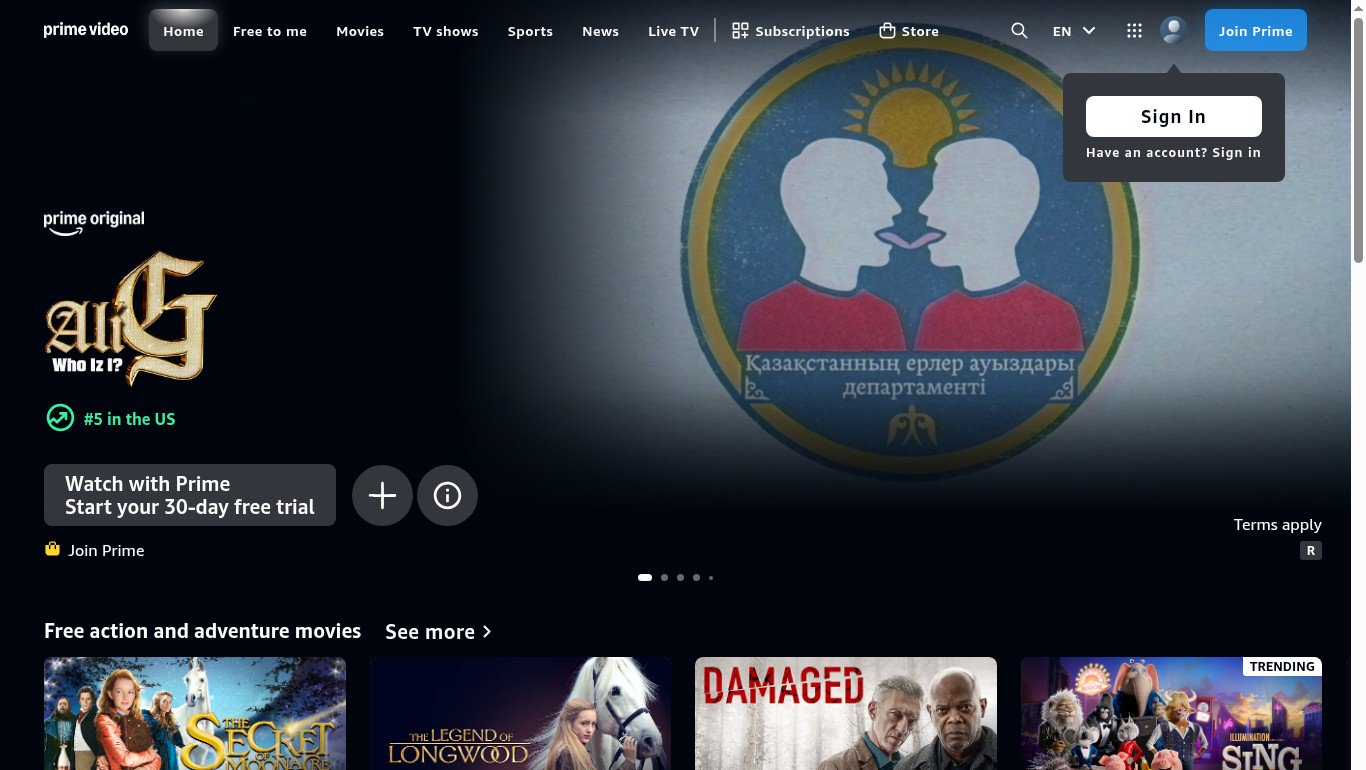
- Prime Video. Home page. https://www.primevideo.com/ (accessed November 3, 2026).
Meet your guide
Lipeiguan
author
What to read next
 Apple TV Will Be the Exclusive U.S. Home of F1 Academy Beginning in 2027 On November 19, 2026, Apple said F1 Academy will stream on Apple TV in the United States beginning in 2027, with every qualifying session and race included for U.S. Apple TV subscr... How to Watch F1 Academy on Apple TV in 2027: Official Calendar and Subscription Note Apple said U.S. Apple TV subscribers will get every F1 Academy qualifying session and race beginning in 2027. This guide records the official seven-round 2027 calendar graphic and...
 Google Adds Computer Use to the Gemini App for Mac in the U.S. On November 19, 2026, Google said computer use is available in the Gemini app for Mac, in English in the U.S. Official requirements include an Apple Silicon Mac on macOS Sequoia 15...