
Best XREAL Glasses (2026): One, One Pro, 1S, AURA and ROG R1
A research-based 2026 guide to official XREAL One, One Pro, 1S, 1 Pro+, AURA and ROG XREAL R1 specifications and November 23, 2026 U.S. shop prices, organized by use case. It is not a hands-on test.
Disclosure: This page may contain affiliate links. They do not influence our editorial conclusions. Read the disclosure.
Our pick
- See price at XREAL
Top pick
XREAL
Maker of AR and XR display glasses, including the Android XR-based XREAL AURA.
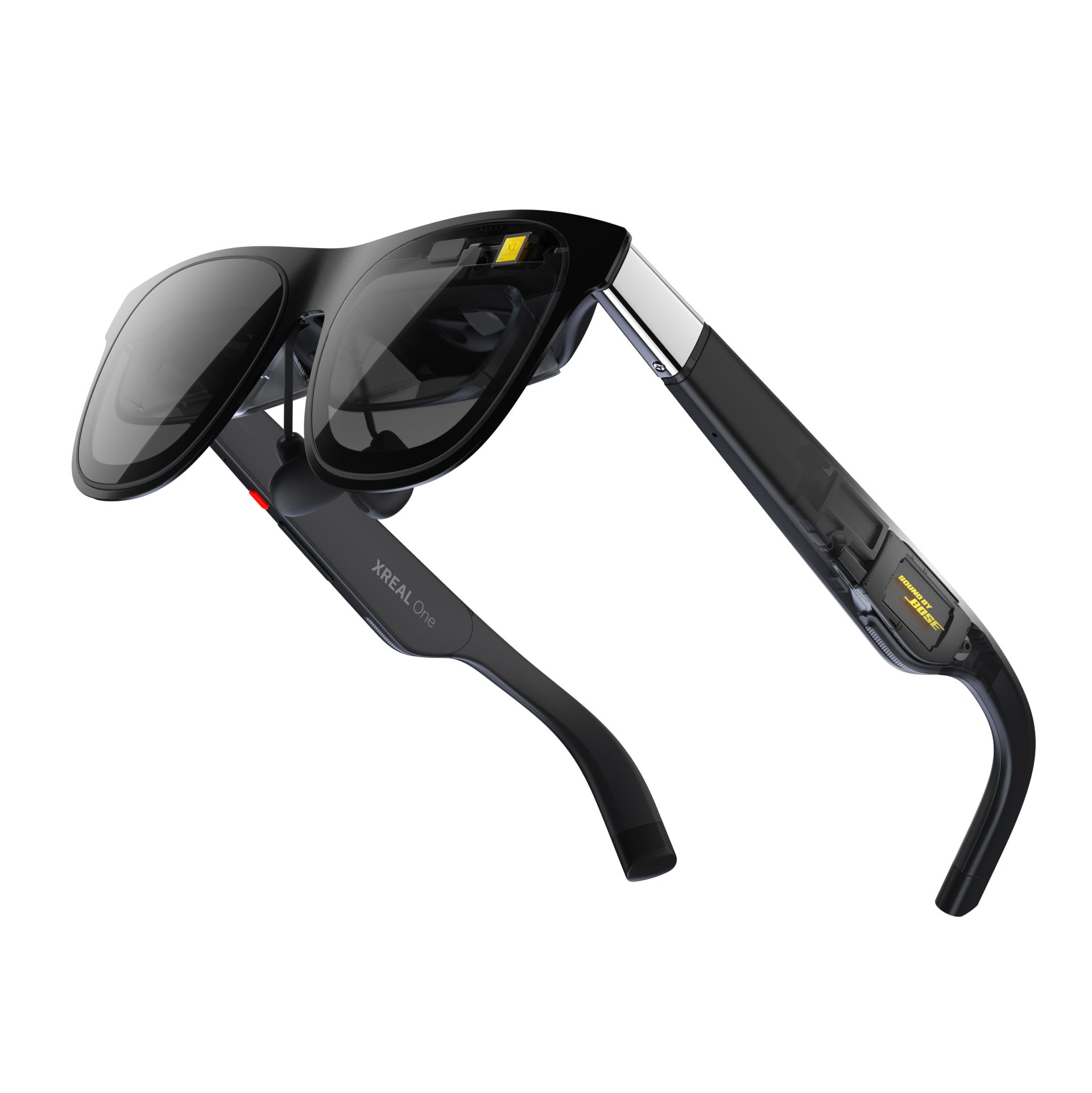
XREAL's current U.S. lineup is no longer just the One series. On November 23, 2026, the official XREAL U.S. shop was selling XREAL One, One Pro, 1S and the newer 1 Pro+, plus the standalone XREAL AURA Android XR glasses and the ROG XREAL R1 gaming set. This roundup matches those official specifications and that day's shop prices to common use cases. It is not a hands-on test, and it is a broader catalog than our earlier One vs One Pro vs 1S comparison.
On that date the shop listed XREAL 1S at $379 (typical price $449), XREAL One at $399 ($499), XREAL One Pro at $499 ($599) in IPD sizes M (57–66 mm) and L (66–75 mm), and XREAL 1 Pro+ at $569 ($599) in the same IPD ranges. The 1 Pro+ page said size M was in stock and size L would ship within two weeks. ROG XREAL R1 was $849 in IPD sizes N (57–66 mm) and B (66–75 mm), with no separate sale price. XREAL AURA was $1,099 for 12 GB + 256 GB and $1,299 for 16 GB + 512 GB, versus typical prices of $1,279 and $1,499. The official AURA product page said the glasses were available starting at $1,099 "through the end of the year." The One-series and R1 product pages did not display a sale end date. Returns and the one-year warranty are covered in the XREAL shopping guide.

How to choose by use case
If you want a lightweight, USB-C plug-in pair for phones, laptops and handhelds, start with XREAL One (82 g, 50° field of view) or 1S (52°, a 31- to 500-inch official virtual-screen range). If you want a wider 57° display in a still-portable frame, One Pro (87 g) or 1 Pro+ is the official wide-FOV path in this family. If you want glasses that run Android XR on their own compute puck, rather than mirroring a phone or PC, that is AURA. If you want the official 240 Hz gaming refresh rate and the ROG Control Dock, that is R1.
All of the One-series models and 1 Pro+ use an XREAL X1 processor, Sound by Bose, and native 3DoF on the glasses. AURA uses an X1S coprocessor in the glasses and a Snapdragon Reality Elite puck. Several models can add 6DoF spatial anchoring with the optional XREAL Eye accessory; AURA includes world-facing cameras for 6DoF and hand tracking in the official specification.
Best everyday plug-in pair: XREAL One
XREAL One is the lightest official One-series model at 82 g. The official specification lists a Sony 0.68-inch Micro-OLED panel, 1920 × 1080 resolution (four million pixels), a 50° field of view, a 120 Hz maximum refresh rate, 3 ms motion-to-photon latency, and 600 nits highest perceived brightness. IPD adjustment is software-based, and lens transparency has three electrochromic modes. The official U.S. shop product graphic also describes a 147-inch spatial screen at that 50° field of view.
The shop packing list is the glasses, a prescription lens frame with no lenses included, a detachable USB-C cable, S/M/L nose pads, a protective case, a cleaning cloth and a user manual. At $399 on November 23, 2026, versus a $499 typical price, One is the mid-price plug-in option: lighter than One Pro, with a narrower field of view and software rather than physical IPD sizes.
Best lower-priced One-series model: XREAL 1S
XREAL 1S was the least expensive current One-series model on the U.S. shop that day, at $379 versus $449. Official specifications give it the same 0.68-inch Sony Micro-OLED family as One, but they list binocular resolution as 3840 × 1200, a 52° field of view, a 108% sRGB color gamut, a 100,000:1 contrast ratio, and a virtual screen of 31 to 500 inches over a 1- to 10-meter display distance. The refresh-rate line is "Fixed 90Hz, up to 120Hz," with 700 nits peak brightness and ΔE < 3 color accuracy. IPD adjustment is supported, and dimming is three-level plus auto-dimming. Audio is Sound by Bose, with a four-microphone array.
The shop description also lists 0DoF follow, 3DoF anchor, Ultrawide (32:9 or 21:9), Real 3D and Side-View modes, with 6DoF available when you add XREAL Eye. 1S is the official pick when the priority is a lower current price and a wider advertised virtual-screen range, not the lightest frame or the widest One-series field of view.
Best wide-FOV portable display: XREAL One Pro or 1 Pro+

XREAL One Pro is the wide-FOV member of the original One series. Official specs list the X1 chip, a 57° field of view, a Sony 0.55-inch Micro-OLED panel, 1920 × 1080 (four million pixels), a 120 Hz maximum refresh rate, 3 ms latency, 700 nits highest perceived brightness, and an 87 g weight. Unlike One, it is sold in two physical IPD sizes plus software IPD adjustment. The official shop copy also describes a 171-inch virtual screen at 4 meters and X-Prism optics, and it says pairing XREAL Eye unlocks 6DoF spatial anchoring.
XREAL 1 Pro+ is a separate model, not a renamed One Pro. The official 1 Pro+ specification also uses X-Prism optics, a 0.55-inch Sony Micro-OLED panel, 1920 × 1080 per eye and a 57° field of view, and it adds figures the One Pro table does not list: 40 PPD, 4,032 PPI, a 100,000:1 contrast ratio, 90 Hz binocular refresh with up to 120 Hz, 5,000 nits panel brightness, and 1,200 nits maximum perceived brightness in Follow mode with Stabilizer off and AI HDR enabled. Virtual screen size is given as about 34 to 556 inches at 1 to 10 meters. It has three-level electrochromic dimming, two Bose-tuned speakers, four microphones, and the same M and L IPD sizes as One Pro. The tutorial states that a prescription lens frame is not included.
On November 23, 2026, One Pro was $499 and 1 Pro+ was $569, both below typical prices of $599. If you want the official 57° One-series field of view at the lower of those two sale prices, that is One Pro. If you want the 1 Pro+ specification set — including the 40 PPD and 1,200-nit perceived-brightness figures — the shop was asking $70 more that day.
Best standalone Android XR glasses: XREAL AURA
AURA is the official Android XR model, co-developed with Google, and it is a different product from the USB-C display glasses above. The glasses weigh 95 g and use an X1S spatial coprocessor with 3 ms motion-to-photon latency, X-Prism optics with a 70° field of view, and Sony Micro-OLED panels at 1920 × 1200 pixels per eye. Official display figures include 100% sRGB, ΔE < 3, 1,050 nits maximum brightness, 32 PPD and up to 120 Hz. Two world-facing cameras provide 6DoF anchoring and hand tracking, and a high-resolution camera includes a privacy LED. Electrochromic dimming has five levels, automatic or manual. Audio is Sound by Bose EQ tuning, with Android XR spatial audio and a four-microphone array. IPD sizes are M (60–66 mm) and L (66–72 mm), a tighter range than One Pro.
The compute puck weighs 265 g, runs Android XR, and uses a Snapdragon Reality Elite platform rated at 48 TOPS, with an active fan and a battery officially rated at 4,455 mAh / 34.84 Wh (typical capacity 4,550 mAh). Memory and storage are 12 GB + 256 GB or 16 GB + 512 GB with UFS 4.0. Wireless is Wi-Fi 6/6E and Bluetooth 5.3. Native input is hands, voice and the puck touchpad; keyboards, mice and game controllers are listed as supported Bluetooth devices. The official box includes the glasses, puck, glasses cable, charging cable, carrying case, belt clip, S/M/L nose pads, an optical insert frame, a cleaning cloth and documentation. A lanyard is included with the 16 GB model only.
AURA is the official choice when you want a standalone Android XR system rather than a monitor you plug into another device. For how that compares with carrying a portable monitor, see the AURA travel-setup guide. The launch-offer wording on the official AURA site was "through the end of the year," starting at $1,099.
Best high-refresh gaming set: ROG XREAL R1

R1 is the official high-refresh gaming model, reviewed separately in our ROG XREAL R1 review. The official specification lists a Sony 0.55-inch Micro-OLED panel, 1920 × 1080 resolution, a 57° field of view, up to 240 Hz refresh, 3 ms motion-to-photon latency, 0.01 ms response time, 700 nits peak brightness, a 106% sRGB color gamut, and a 4-meter virtual image distance. The shop describes a virtual screen of up to 171 inches at that 4-meter distance and a 91 g frame. IPD compatibility is 57–75 mm, sold as N and B sizes; diopter adjustment is not supported. Sound is by Bose, with four microphones, native 3DoF and a USB-C interface. 3D modes are listed as Full, half-width SBS and Instant 3D.
The ROG Control Dock is part of the official product set. Its specification lists 1920 × 1080 output, one DisplayPort 1.4 port, two HDMI 2.0 ports, a USB-C data-and-power port up to 5 V / 3 A, a power-only USB-C port at the same limit, and a glasses USB-C port that supports DisplayPort Alt Mode with 5 V / 1 A output. The dock is 215 × 100 × 25 mm and 230 g. Official shop copy says a single USB-C connection can turn an ROG Ally into a large-screen setup while the Ally's own display stays active for on-device controls.
R1 was $849 on November 23, 2026, with no discounted typical price on the official PDP. That is the official pick when 240 Hz, the ROG dock and Ally integration matter more than AURA's standalone Android XR system or the lower One-series sale prices.
A short buying checklist
Confirm IPD size before you order: One uses software adjustment only; One Pro, 1 Pro+ and R1 use two physical sizes covering 57–75 mm; AURA uses 60–66 mm and 66–72 mm. If you need 6DoF on a One-series or 1 Pro+ pair, budget for XREAL Eye or the official optional accessory named in that model's specification. If you wear prescription lenses, check whether a lens frame is in the box — it is included with One and with AURA's optical insert frame, and the 1 Pro+ tutorial says it is not included. Then re-check the U.S. shop, because several of these November 23 prices were sale figures without a posted end date on the product page.
References
- XREAL U.S. shop
- XREAL One (U.S. shop)
- XREAL One Pro (U.S. shop)
- XREAL 1S (U.S. shop)
- XREAL 1 Pro+ (U.S. shop)
- XREAL AURA (U.S. shop)
- XREAL AURA official product page
- ROG XREAL R1 (U.S. shop)
- XREAL One / One Pro / 1S official specifications
- XREAL 1 Pro+ official specifications
- XREAL AURA official technical specifications
- ROG XREAL R1 official product specifications
Meet your guide
Lipeiguan
author
What to read next
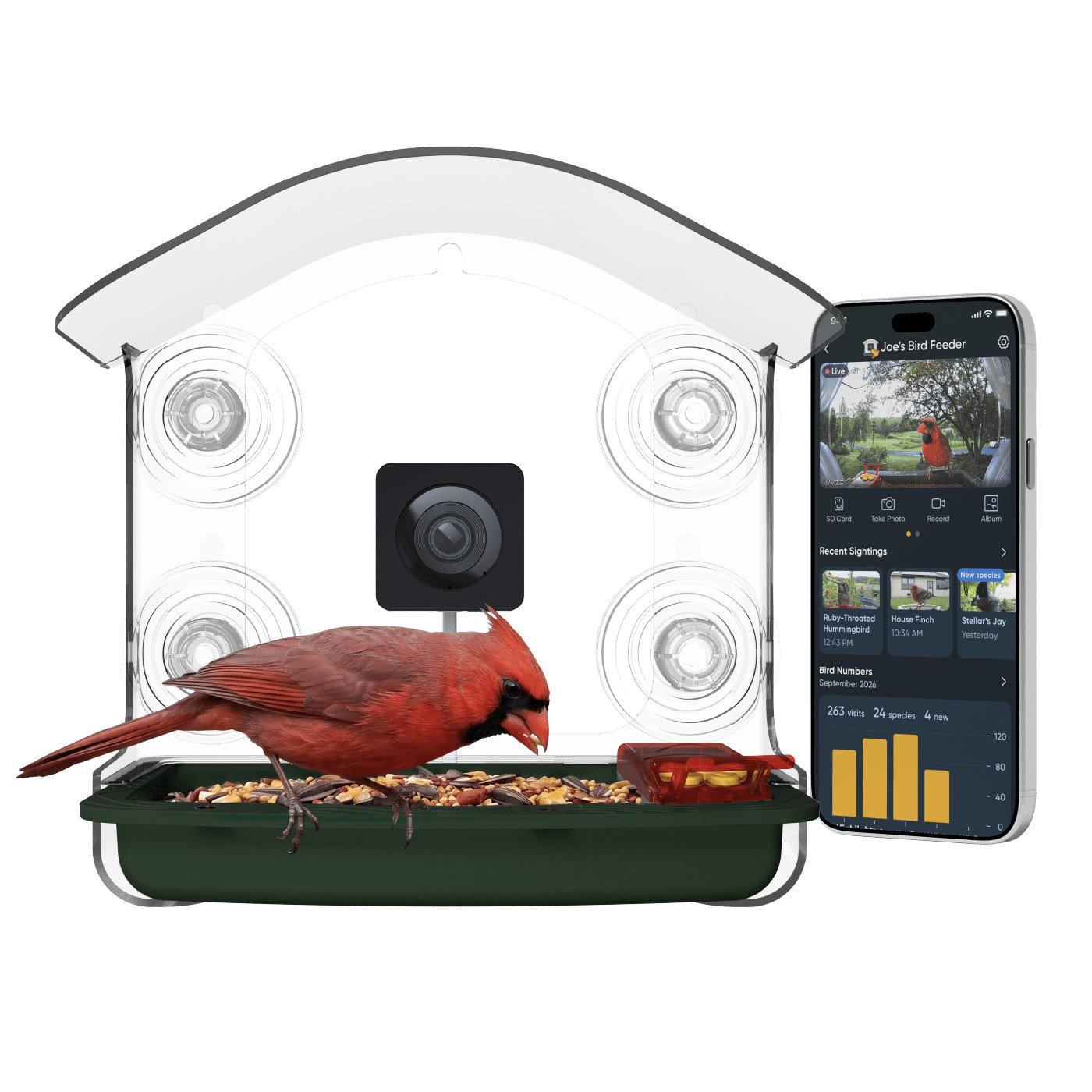 Wyze Window Bird Cam Launches at $69.98 With a Three-Month Bird Watch Trial Wyze's official November 24, 2026 blog post names that date as launch day for the Window Bird Cam at an MSRP of $69.98. The official product page, checked 2026-11-29T01:38:19Z, lis...
 Apple Store Black Friday Event 2026: Gift Cards up to $300 Through November 30 Official Apple Store Black Friday Event terms, checked 2026-11-29T01:38:19Z, run from November 27, 2026, at 12:00 a.m. PT through November 30, 2026, at 11:59 p.m. PT in the United... How to Set Up the Wyze Window Bird Cam and Bird Watch Official Wyze Window Bird Cam setup steps, box contents, and the difference between free camera features and the Bird Watch plan. The official product page, checked 2026-11-29T01:3...