
Omaha Steaks Filet vs Ribeye vs New York Strip: Which Cut Should You Buy?
Filet mignon, ribeye and New York strip compared from Omaha Steaks' official butcher's guides, with pack prices shown on official listings on November 26, 2026.
Disclosure: This page may contain affiliate links. They do not influence our editorial conclusions. Read the disclosure.
Our pick
- See price at Omaha Steaks
Top pick
Omaha Steaks
Nebraska-based seller of frozen steaks, meats, meals and food gift boxes shipped to US homes.
Omaha Steaks Filet vs Ribeye vs New York Strip: Which Cut Should You Buy?
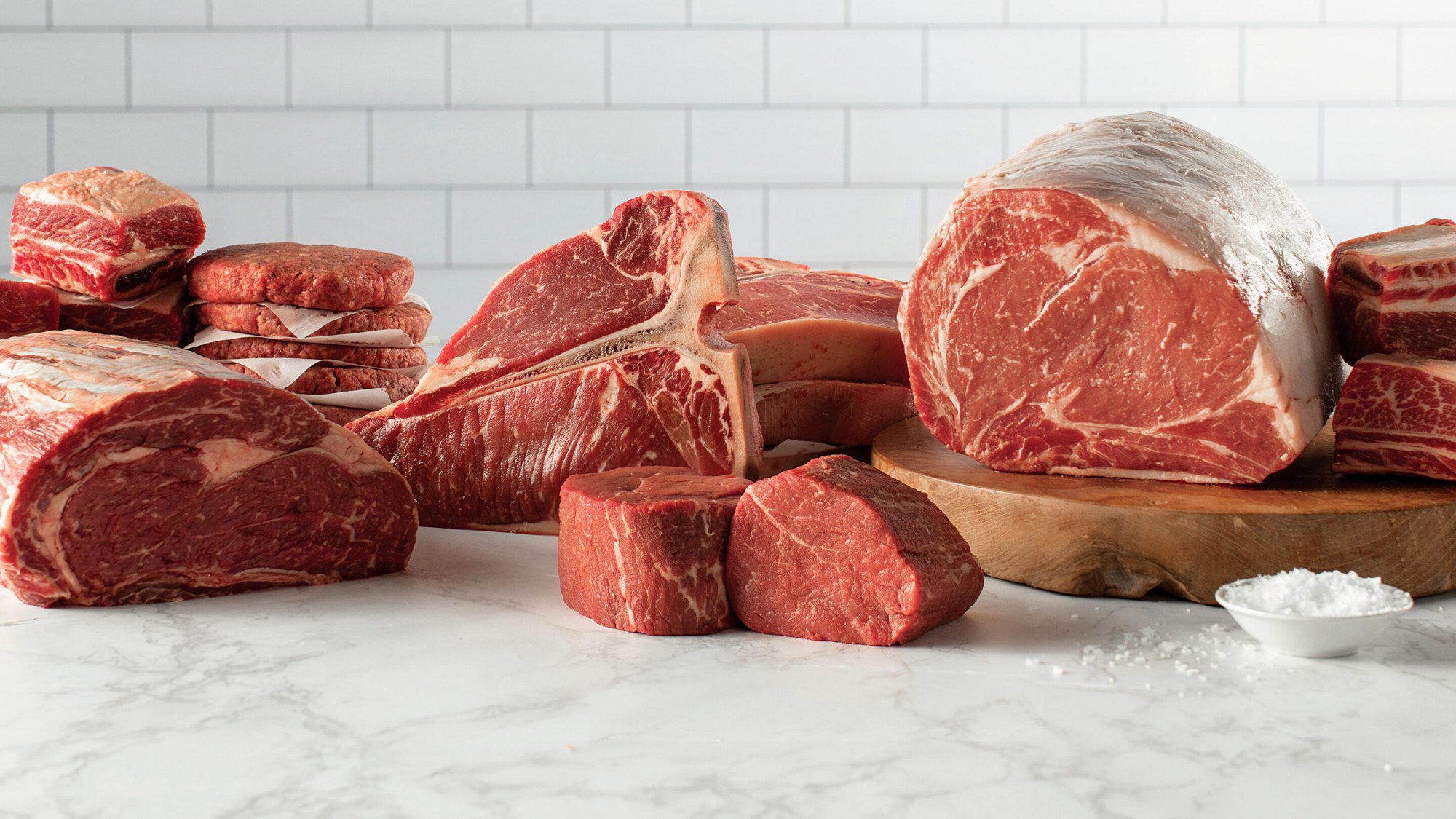
Filet mignon, ribeye, and New York strip are the three steaks most shoppers compare first. Omaha Steaks' official cut guide (updated September 5, 2025) groups them among the six steaks it calls the best known for flavor and tenderness, and it does not treat them as interchangeable. This research-based comparison uses that guide, the official butcher's guides for each cut, and the pack prices shown on official omahasteaks.com listings on November 26, 2026. It is not a hands-on taste test.

The short version
- Filet mignon is the most tender, with the mildest flavor and the least marbling. Official butchers recommend rare to medium-rare. It is also the highest-priced of the three on the listings we recorded.
- Ribeye is the most marbled, with a rich, buttery flavor. Official chefs recommend medium-rare and a fast, high-heat cook so the fat melts without overcooking the steak.
- New York strip is the official “ultimate griller's steak”: bold, beefy flavor, a firmer bite, and enough marbling to stay juicy on a very hot grill.
If tenderness is the only goal, filet is the official answer. If flavor and juiciness from intramuscular fat matter more, ribeye is the official answer. If you want a steak you can throw on a hot grill and still get a beefy chew, the official guides point to the strip.
How Omaha Steaks says to compare cuts
The official steak-cut guide names four things that change a steak's texture and taste: where the muscle sits on the animal (less-used muscles are more tender), marbling, aging, and whether the cattle are grain-finished. Omaha Steaks says its beef is grass-fed and grain-finished, and that a grain finish is what produces more marbling than a grass-fed-only diet. The same guide says Omaha Steaks wet-ages steaks for a minimum of 28 days and also sells some dry-aged steaks aged 60 days.
A later Help Center statement, observed on November 26, 2026, says the company ages all its steaks at least 35 days in-house. Individual butcher's guides still cite 28-day or 30-day figures for some lines. This comparison quotes both and does not collapse them into a single number.
The sourcing page adds that the beef is USDA-inspected, including USDA Prime and USDA Choice, and that filet mignons are sold as USDA Certified Very Tender, while top sirloin filets are Certified Tender. That badge is a tenderness test, not a quality grade; see our USDA Certified Tender FAQ.
Filet mignon: tenderness first, milder flavor

The official filet butcher's guide (updated August 16, 2024) says the steak is cut from the tenderloin, a little-used muscle that is only 2–3% of the animal. It is exceptionally tender and mild, with less marbling than strip or ribeye, and it is best cooked rare to medium-rare so it does not dry out. Official listing cards on November 26, 2026, showed a “USDA Certified Very Tender” badge on both Butcher's Cut and Private Reserve filets.
Official listed prices that day included:
- Butcher's Cut Filet Mignons, 4 × 6 oz.: $104; 8 × 6 oz.: $197.60 (was $208); 12 × 8 oz.: $364.50 (was $405)
- Private Reserve Filet Mignons, 6 × 6 oz.: $170; 12 × 6 oz.: $323 (was $340)
Those are per-pack prices, not a claim that filet is “worth it” in a tasting sense. They do show why filet is usually the most expensive of the three. For trim lines (Butcher's Cut vs Triple-Trimmed vs Private Reserve), see how to choose an Omaha Steaks filet mignon.
A related but different steak is the Butcher's Cut Top Sirloin Filet, which official listings showed with a “USDA Certified Tender” badge and much lower prices — 4 × 6 oz. at $49 that day. It is not a tenderloin filet mignon.
Ribeye: marbling, juiciness, and a fast cook

The official ribeye butcher's guide (updated June 2, 2025) and the cut guide agree: ribeye has “fantastic marbling” that melts as it cooks, a rich, buttery flavor, and a tender texture. Chefs are told to aim for medium-rare with high, dry heat — grilling, pan-roasting, or reverse-searing — and to watch for flare-ups because of that fat. The ribeye page also explains the muscles in the steak: the longissimus dorsi (the “eye”), the spinalis dorsi (the cap, described as the most tender and flavorful part), and a smaller complexus that may or may not be present.
The official ribeye lineup named on that guide includes Classic Ribeyes (cap-on), Butcher's Cut Ribeye Filet Steaks (a thicker, double-trimmed steak from the eye), Tomahawk Ribeyes, Private Reserve Ribeyes (at least 35 days, triple-trimmed, cap and eye), Private Reserve Ribeye Crown Steaks (the cap only), and Wagyu ribeyes. Official ribeye category listings on November 26, 2026, showed live cards for:
- Classic Ribeyes, 12 oz. steaks, “as low as $130” (the 4-pack drawer was not opened, so a specific 4-pack price is not quoted)
- Private Reserve Ribeyes, 4 × 12 oz.: $180
- Tomahawk Ribeyes, 2 × 32 oz.: $199, with a “Ships FREE” note
A product card titled “Butcher's Cut Ribeye” did not appear in official search or on the ribeye category grid that day, even though category copy still mentions the name. This comparison does not invent a price for it. The official guide's 36-ounce tomahawk description also did not match the 32-ounce tomahawk pack shown on the live card, so the live listing (2 × 32 oz., $199) is what is quoted here.
Prime rib, the same official page notes, comes from the same rib primal but is a large roast cut between bones 7 and 11 and cooked low and slow, not a high-heat steak.
New York strip: the official grilling steak

The official New York strip butcher's guide (updated March 7, 2025) says the steak is cut from the short loin after the tenderloin has been removed. That subprimal is only about 16–18 inches long and yields 11–14 steaks, depending on thickness. The strip is known by many names — including Kansas City strip and, at Omaha Steaks, sometimes Omaha Strip — but the official guide uses New York Strip. It describes intense, bold, beefy flavor, a firmer texture and “solid chew,” and enough marbling to carry that flavor. Official butchers call it the ultimate grilling steak and recommend a super-hot grill for a quick sear, or pan-roasting or reverse-searing indoors.
The same guide says Omaha Steaks ages strips, “and all of steaks,” at least 28 days, and that a bone-in strip is usually an option: the bone can help the meat stay juicy but also cooks unevenly, with the meat nearer the bone lagging behind. Dry-aged bone-in strips are described separately as aged a full 60 days.

Official strip-steak listings on November 26, 2026, included:
- Butcher's Cut New York Strips, 10 oz.: 4 steaks $130; 8 steaks $247 (was $260); 12 steaks $351 (was $390)
- Private Reserve Boneless New York Strips, 11 oz.: 4 steaks $140; 8 steaks $266 (was $280)
Related cards on the same official category page included boneless 10-ounce strips “as low as $87,” bone-in 10-ounce strips “as low as $48,” and Private Reserve Wagyu New York Strips at $200 for 2 × 10 oz. Those “as low as” figures are quoted from the cards; the underlying pack drawers were not all opened.
Price and pack, side by side
Using only official packs whose full listed prices were recorded on November 26, 2026, a four-steak comparison looks like this:
- Butcher's Cut filet, 4 × 6 oz.: $104
- Butcher's Cut New York strip, 4 × 10 oz.: $130
- Private Reserve boneless New York strip, 4 × 11 oz.: $140
- Private Reserve ribeye, 4 × 12 oz.: $180
The filet pack is cheaper in dollars but much smaller per steak (6 ounces vs 10–12 ounces). The ribeye pack is the largest steak and the highest four-count price in that set. Omaha Steaks also showed free standard shipping at a $149 merchandise subtotal on that date (standard shipping was $24.99 under $149), which can matter if you are choosing between a $130 and a $180 pack.
Those figures can change, and they were read from official listing cards and size drawers, not from every individual product page.
How to cook each cut (official advice only)
The official guides do not give one method for every steak:
- Filet: rare to medium-rare; pan-sear, sous vide and sear, or grill; do not overcook, because there is less fat to protect the meat. Step-by-step thawing and searing are in our storage and cooking guide.
- Ribeye: medium-rare; fast, high, dry heat; watch grill flare-ups, or cook in a cast-iron pan on the grill.
- New York strip: a very hot grill for a quick sear, or pan-roast or reverse-sear indoors.
All three arrive frozen. Official cooking should start after a safe thaw, not at room temperature.
Which cut should you order?
- Order filet mignon for special occasions, for guests who want a mild, very tender steak, or if the Very Tender badge is what you are shopping for.
- Order ribeye if you want official marbling, a buttery flavor, and a larger steak, and you are comfortable managing fat on a hot grill.
- Order New York strip if you want the boldest official flavor in this trio and a steak the company itself calls the ultimate cut for a hot grill.
- If you want a lower listed price and a Certified Tender badge, look at the Top Sirloin Filet, and understand that it is not a tenderloin filet.
For a deeper look at filet trim lines and today's filet-pack prices, use the filet mignon buying guide. Delivery, the replace-or-refund guarantee, and customer ratings are covered in the 2026 Omaha Steaks review. If you are comparing Omaha Steaks with a grass-fed subscription box, see Omaha Steaks vs ButcherBox.
References
- Omaha Steaks, “Steak Cuts Explained: Explore the Ultimate Steak Cut Guide” (updated September 5, 2025): https://www.omahasteaks.com/blog/steak-cut-guide/
- Omaha Steaks, “The Butcher's Guide: What is a Filet Mignon?” (updated August 16, 2024): https://www.omahasteaks.com/blog/what-is-filet-mignon/
- Omaha Steaks, “The Butcher's Guide: What is a Ribeye?” (updated June 2, 2025): https://www.omahasteaks.com/blog/what-is-a-ribeye/
- Omaha Steaks, “The Butcher's Guide: What is a New York Strip?” (updated March 7, 2025): https://www.omahasteaks.com/blog/what-is-a-new-york-strip/
- Omaha Steaks, “Sourcing: Where Our Beef and Proteins Come From, Quality & Our Butchers,” accessed November 26, 2026: https://www.omahasteaks.com/info/sourcing
- Omaha Steaks Help Center, “How long are Omaha Steaks aged?,” accessed November 26, 2026: https://www.omahasteaks.com/info/Customer-Service#ProductInformation
- Omaha Steaks official listings and size or quantity drawers for filet, ribeye, and New York strip packs, plus the official Ribeyes and Strip Steaks category pages, observed November 26, 2026
- Omaha Steaks, “Shipping Information & Delivery Options,” accessed November 26, 2026: https://www.omahasteaks.com/info/Shipping-Information
Meet your guide
Lipeiguan
author
What to read next
 KIND Voluntarily Recalls Oats & Honey with Toasted Coconut Granola for a Potential Undeclared Peanut Allergen KIND's official November 27, 2026, press release says the company is voluntarily recalling 17-ounce Oats & Honey with Toasted Coconut Granola in the U.S. with lot codes CS26245L7,... How to Check Lot Codes and Best Buy Dates on KIND's Oats & Honey Granola Recall A step-by-step guide to the official November 27, 2026, KIND recall of 17-ounce Oats & Honey with Toasted Coconut Granola lots CS26245L7, CS26246L7, and CS26247L7, and what the off...
 KIND Dark Chocolate Nuts & Sea Salt vs Almond & Coconut: Official Nutrition and Labels Official side-by-side of two KIND Nut Bars checked November 28, 2026: Dark Chocolate Nuts & Sea Salt lists 6g protein, 5g sugar, and peanuts on the wrapper; Almond & Coconut lists...