
The Children's Place Size Chart Explained: How to Pick Baby, Toddler and Kids' Sizes (2026)
A how-to for The Children's Place size chart: how to measure, girls' and boys' Regular sizes 4-18, how Slim, Plus and Husky change the fit, baby and toddler sizes from Up to 7 lbs to 5T, why 4T and size 4 match, and youth shoe sizes by foot length.
Disclosure: This page may contain affiliate links. They do not influence our editorial conclusions. Read the disclosure.
Our pick
- See price at The Children's Place
Top pick
The Children's Place
US children's clothing retailer selling baby, kids' and tween apparel, shoes and accessories online and in stores.
What this guide covers
Buying kids' clothes online is mostly a sizing problem. Ages on the label are only a rough guide, toddler and kids' sizes overlap, and the same size number can mean a different fit in Regular, Slim, Plus or Husky. The Children's Place publishes a detailed size chart with height, weight, waist and inseam ranges for every size, and once you know how to read it, picking the right size for a growing child gets much easier. This guide walks through that chart as The Children's Place published it on November 3, 2026, with the patterns that matter most when you are choosing between two sizes.
It is a research-based guide built from The Children's Place's own size chart and measuring guide, not a fit test of our own. Always check the chart on the product page too, since individual styles can fit differently.

How The Children's Place organizes sizes
The chart is split by department, then by category. The departments are Girls, Boys, Toddler/Baby, Tween and Adults, and the categories include Apparel, Underwear, Shoes and Accessories. The store's navigation lays out the age ranges:
- Baby: 0 to 24 months
- Toddler girl and toddler boy: 6 months to 5T
- Girl and boy: sizes 4 to 18
For girls' apparel there are three fits, Regular, Slim and Plus. For boys, the fits are Regular, Slim and Husky.
Step 1: Measure your child
The Children's Place's "How to Measure" guide uses five measurements. Use a soft measuring tape and have your child stand naturally:
- Chest: raise the arms and measure around the fullest part of the chest, keeping the tape horizontal.
- Waist: have your child bend slightly to one side and measure around the natural waistline crease, keeping the tape level and snug.
- Hip: measure around the fullest part of the hips and seat.
- Inseam: measure from the crotch to the floor along the inside of the leg.
- Height: standing straight without shoes, measure from the top of the head to the floor.

Step 2: Find the size row
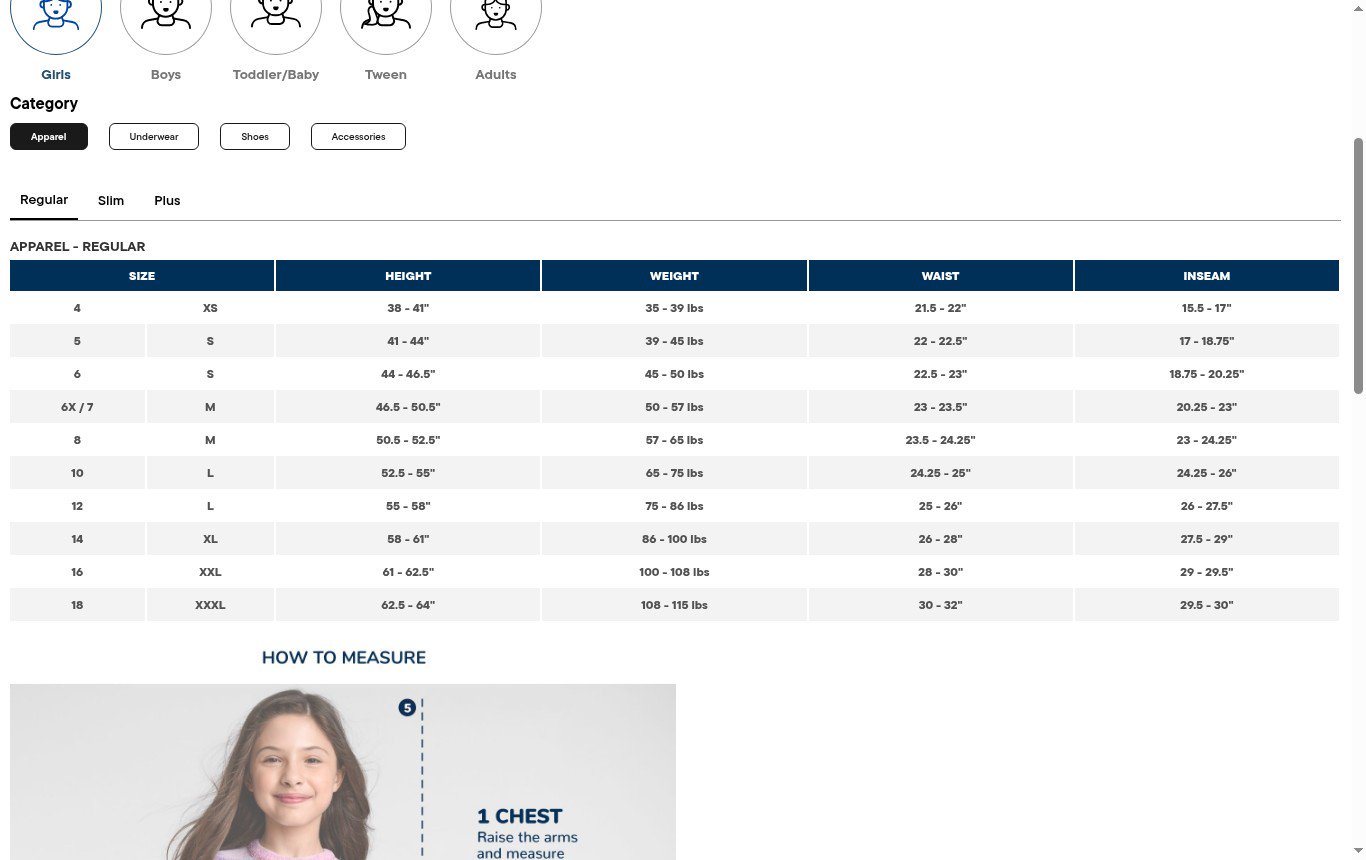
Each apparel row gives a height, weight, waist and inseam range. Here is the girls' and boys' Regular chart in summary:
| Size | Letter | Girls height / weight | Boys height / weight |
|---|---|---|---|
| 4 | XS | 38-41" / 35-39 lbs | 38-41" / 35-39 lbs |
| 5 | S | 41-44" / 39-45 lbs | 41-44" / 39-45 lbs |
| 6 | S | 44-46.5" / 45-50 lbs | 44-46.5" / 45-50 lbs |
| 6X/7 (girls), 7 (boys) | M | 46.5-50.5" / 50-57 lbs | 46.5-49.5" / 50-58 lbs |
| 8 | M | 50.5-52.5" / 57-65 lbs | 49.5-52" / 58-68 lbs |
| 10 | L | 52.5-55" / 65-75 lbs | 52-55.5" / 68-87 lbs |
| 12 | L | 55-58" / 75-86 lbs | 55.5-58.5" / 87-100 lbs |
| 14 | XL | 58-61" / 86-100 lbs | 58.5-61.5" / 100-110 lbs |
| 16 | XXL | 61-62.5" / 100-108 lbs | 61.5-64" / 110-120 lbs |
| 18 | XXXL | 62.5-64" / 108-115 lbs | 64-65.5" / 120-125 lbs |
Two patterns stand out:
- Girls' and boys' sizes are identical through size 6, then split. From size 7 up, boys' rows cover more weight at a similar height. A size 10 boy runs 68 to 87 pounds on the chart, while a size 10 girl runs 65 to 75 pounds.
- Letter sizes cover two numbers. S is 5 and 6, M is 6X/7 and 8, and L is 10 and 12. If a top is sold in letters, check which end of the range your child is on.
Step 3: Use the right measurement for the garment
Children rarely land in one row on every measurement. A practical way to decide, based on how the chart is built:
- Pants, leggings and shorts: prioritize waist and inseam. A pull-on waist is more forgiving than a button front.
- Tops, sweaters and dresses: prioritize height and chest.
- Outerwear and pajamas: height matters most, and you may want room for layers.
If your child sits on the boundary between two sizes, the larger one usually gives more wear before it's outgrown, while the smaller one fits better now. That trade-off is yours to make. Just check the return conditions first (see below).
Slim, Plus and Husky: what changes
The fit options change the width, not the length. Comparing the girls' charts row by row:
- Slim keeps the same heights and inseams as Regular, with lower weight ranges and a narrower waist. Girls' size 8 Regular lists a 23.5 to 24.25-inch waist; 8S lists 21.5 to 22.25 inches, about 2 inches smaller. Girls' Slim runs from 4S to 16S.
- Plus keeps the same height ranges with a wider waist and higher weights. Girls' 4P lists a 24 to 24.5-inch waist (Regular 4: 21.5 to 22 inches) and 45 to 50 pounds, and the Plus inseams are slightly shorter than Regular. Girls' Plus runs from 4P to 18P.
- Boys' Slim follows the same idea, from 4S to 18S, with the same heights as Regular and a narrower waist. Boys' larger-waist fit is called Husky on the chart.
Rule of thumb from the chart: pick the size by height and inseam, then pick the fit by waist and weight.
Baby and toddler sizes
The Toddler/Baby apparel chart runs from "Up to 7 lbs" through newborn, month sizes and 2T to 5T:
| Size | Height | Weight |
|---|---|---|
| Up to 7 lbs | up to 17.5" | up to 7 lbs |
| NB | 17.5-20.5" | 7-10 lbs |
| 0-3 months | 20.5-24" | 10-14 lbs |
| 3-6 months | 24-27" | 14-18 lbs |
| 6-9 months | 27-29" | 18-22 lbs |
| 9-12 months | 29-30.5" | 22-26 lbs |
| 12-18 months | 30.5-33" | 26-28 lbs |
| 18-24 months | 32-35" | 28-30 lbs |
| 2T | 32-33.5" | 28-30 lbs |
| 3T | 35-38" | 32-35 lbs |
| 4T | 38-41" | 35-39 lbs |
| 5T | 41-44" | 39-45 lbs |

What the numbers show:
- 18-24 months and 2T overlap. They share the same weight, waist and inseam ranges; the 18-24 month row allows a little more height (32 to 35 inches vs 32 to 33.5 inches). On the chart, the measurements barely differ.
- 4T and kids' size 4 are the same measurements. Both list 38 to 41 inches, 35 to 39 pounds, a 21.5 to 22-inch waist and a 15.5 to 17-inch inseam. 5T and size 5 match on height, weight and waist too. So a child at the top of the toddler range can usually move into kids' sizes without a jump. The difference is the cut, not the measurements.
- Go by weight and height, not age. A big 9-month-old can easily be in the 12-18 month row. The month labels are just names for the size ranges.
Shoes: foot length is the number to trust
The Children's Place's shoe chart converts U.S. sizes to EUR sizes and foot length. For girls' and boys' youth shoes:
- youth 11 is EUR 29 and a 7-inch foot;
- youth 13 is EUR 31 and 7.75 inches;
- youth 1 is EUR 32.5 and 8 inches;
- youth 4 is EUR 36 and 9 inches;
- youth 6 is EUR 38 and 9.5 inches.
The boys' chart stops at youth 6; the girls' chart continues to youth 7 (EUR 39, 10.25 inches). The Tween shoe chart adds women's equivalents: youth 3 is listed as women's 5, rising to youth 7 as women's 9.
To use it, have your child stand on paper, mark the heel and the tip of the longest toe, and measure the distance. Match that to the foot length column rather than guessing from the size they wore last season.
Make returns easy before you buy
Sizing mistakes are only cheap if you can exchange the item. Before buying several sizes to compare, check the return rules in our Children's Place returns, rewards and shopping guide: items generally need to be unwashed and unworn with tags attached, and clearance and Final Sale items can't come back. For this season's sale coverage, see our Children's Place Black Friday news and our Black Friday 2026 fashion and beauty buying guide.

Quick checklist
- Measure height, waist and inseam (and chest for tops) with a soft tape.
- Find the row on the chart for the right department: Toddler/Baby, Girls, Boys or Tween.
- Choose the size by height and inseam, then Regular, Slim, Plus or Husky by waist and weight.
- For shoes, use measured foot length, not last season's size.
- Leave tags on and don't wash anything until you're sure it fits.
References
- The Children's Place, "Kids Clothing Size Chart" (Girls, Boys, Toddler/Baby and Tween apparel and shoe charts; How to Measure guide). https://www.childrensplace.com/us/content/size-chart (accessed November 3, 2026).
- The Children's Place, home page and department navigation. https://www.childrensplace.com/us/home (accessed November 3, 2026).
- The Children's Place, Toddler Boys Pea Coat product image. https://www.childrensplace.com/us/home (accessed November 3, 2026).
Meet your guide
Lipeiguan
author
What to read next
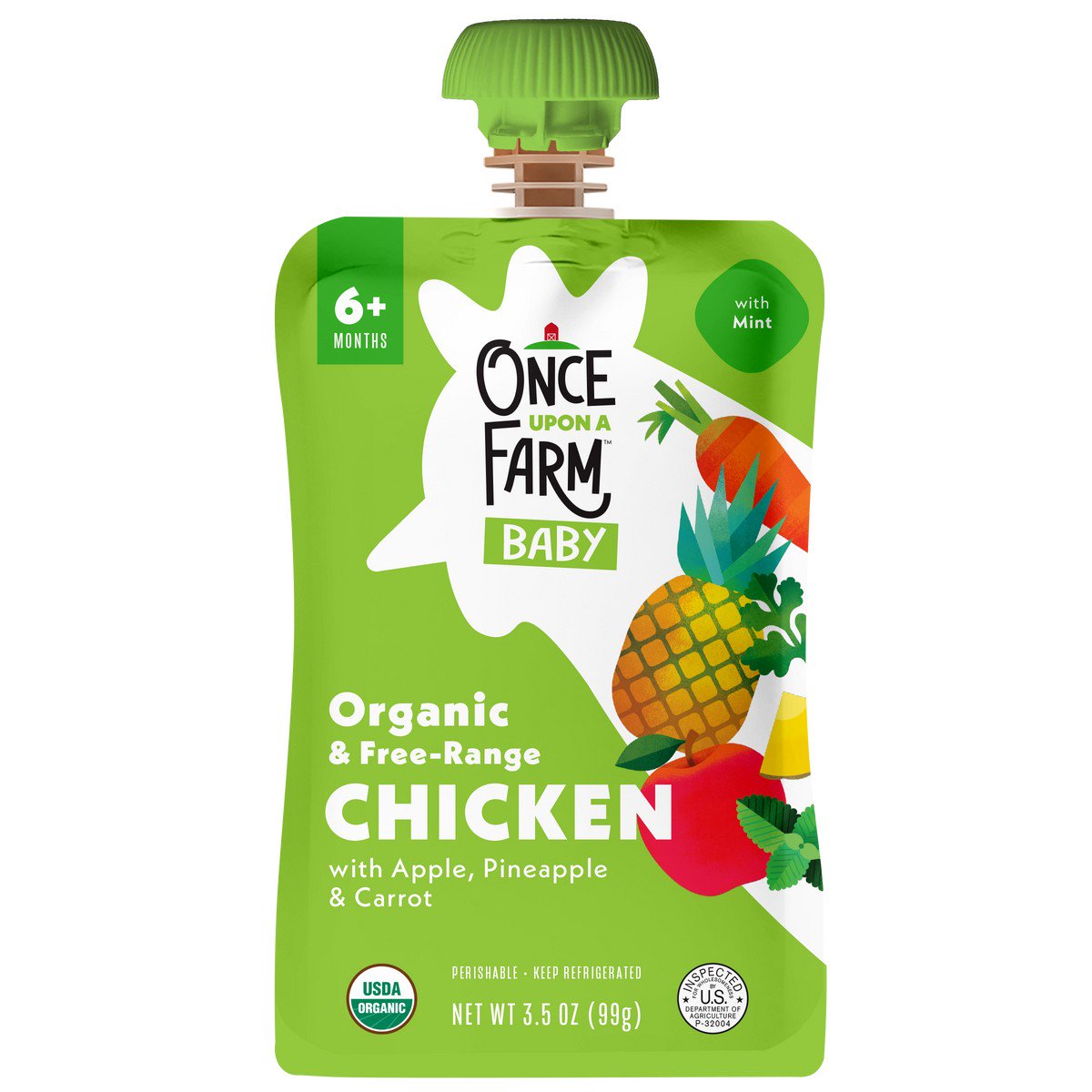 Once Upon a Farm vs Serenity Kids: Refrigerated vs Shelf-Stable Baby Food Pouches Compared Once Upon a Farm's cold-pressured refrigerated pouches vs Serenity Kids' shelf-stable savory pouches, compared on chicken pouch nutrition labels, range, price per pouch, storage, s...
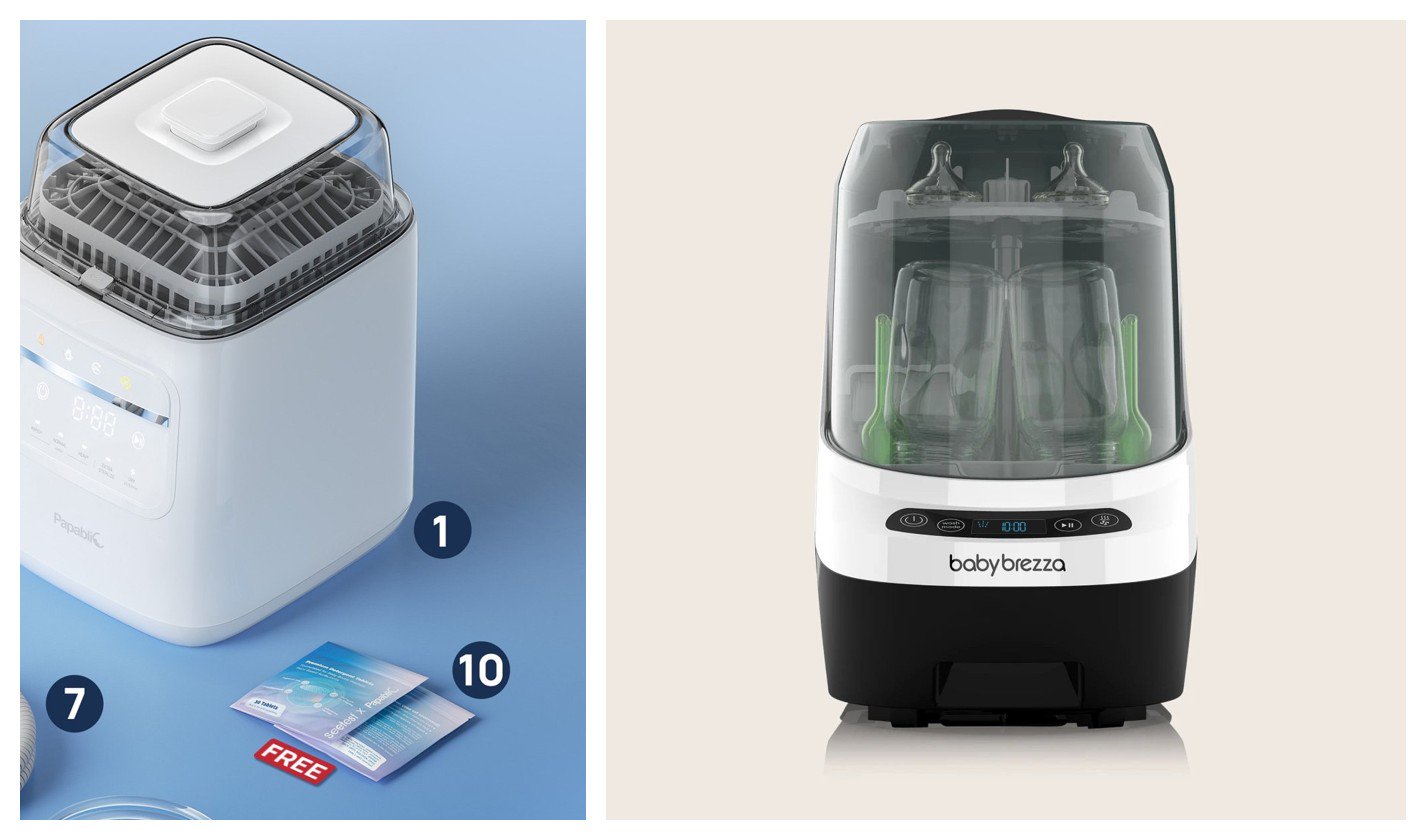 Papablic SafeguardPlus vs Baby Brezza Bottle Washer Pro: Which to Buy? Papablic's 8-bottle SafeguardPlus with built-in water filtration against Baby Brezza's 4-bottle Bottle Washer Pro with removable tanks: capacity, water setup, cycles, running costs...
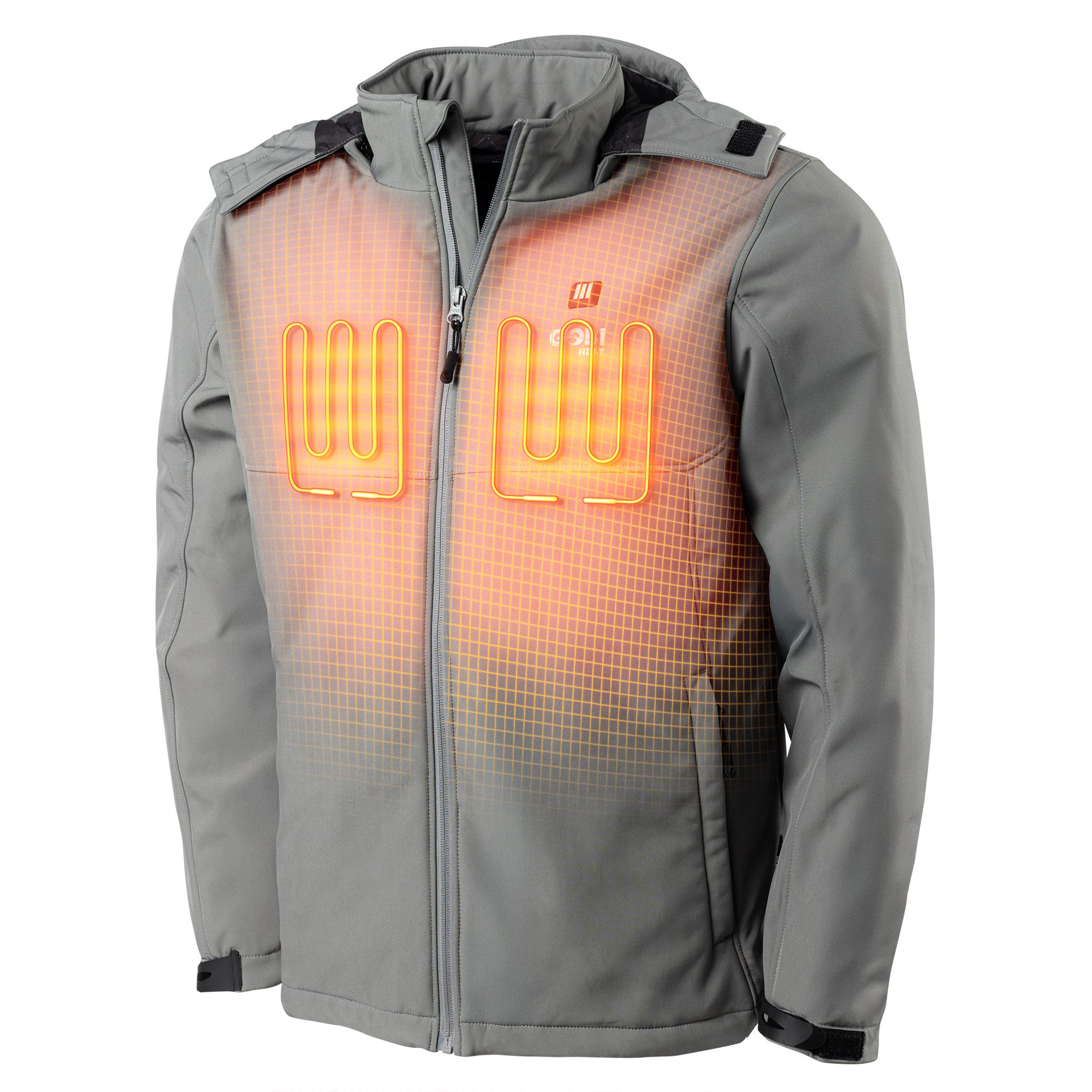 Gobi Heat Sahara II Review: Heated Jacket Specs, Battery Life and Sizing A research-based look at Gobi Heat's Sahara II men's heated softshell: its three heat zones and temperatures, 6500-PD battery runtimes, size chart, care, policies and how it compar...