
Toddler Snack Choking Hazards: What the Tractor Wheels Recall Means for Parents
Why texture matters as much as size, the CDC's list of choking-risk foods for young children, safer snack-time habits, how to judge packaged toddler snacks and how to stay on top of recalls.
Disclosure: This page may contain affiliate links. They do not influence our editorial conclusions. Read the disclosure.
What this guide covers
The recall of Once Upon a Farm's Tractor Wheels toddler bars has left many parents asking a wider question. If a snack made for toddlers can pose a choking risk, how do you judge the rest of the snack aisle? This explainer covers what the recall says about the bars, what public health guidance says about choking risks for young children, and practical habits that reduce risk at snack time. It is general information based on the FDA recall notice and guidance from the Centers for Disease Control and Prevention (CDC). It is not a substitute for advice from your child's doctor.

What happened with Tractor Wheels
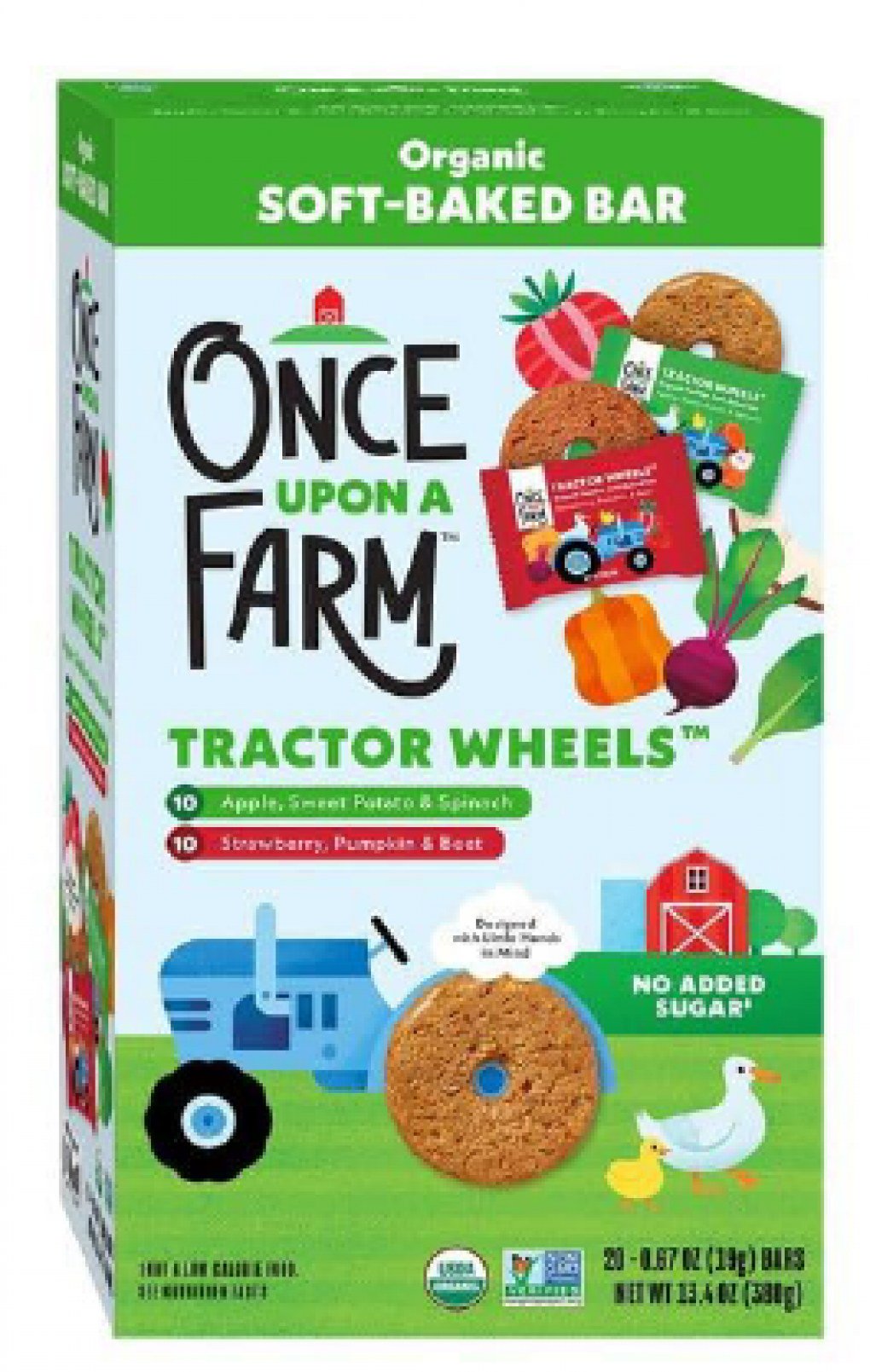
According to the company announcement published by the FDA on November 2, 2026, Once Upon a Farm is recalling all lots and varieties of Tractor Wheels Organic Toddler Soft-Baked Bars. The reason given is that the bars' composition can rapidly hydrate into a dense, dry and sticky mass on contact with saliva and during chewing. That can create a potential choking hazard for toddlers aged 1.5 to 2.5 years.
The decision followed three consumer complaints of choking reported to the FDA. No injuries had been reported at the time of the announcement. The company says it is reformulating the product.
If you have the bars at home, our step-by-step guide explains how to identify the recalled packs and get a refund.
Why texture matters as much as size
Most parents know to cut grapes and avoid whole nuts. The Tractor Wheels recall is a reminder that texture changes during chewing also matter. A food that looks soft on the plate can behave differently in a child's mouth.
The CDC's guidance on choking hazards for infants and toddlers advises parents to:
- Avoid small, sticky or hard foods that are difficult to chew and swallow.
- Prepare food in the right shape, size and texture for the child's stage of development.
The CDC also notes that the way food is prepared can increase the risk. Foods served uncooked, whole, or in certain shapes or sizes can be choking hazards. Cutting food into smaller pieces and mashing it can help prevent choking.
Toddlers are still learning to chew. A food that clumps into a sticky mass is harder for them to break down and clear, which is the concern the recall describes.
Foods on the CDC's caution list
The CDC page reproduces a list compiled by the USDA's WIC program of foods to avoid because of choking risk for young children. The CDC notes that the list may not include every food that could cause choking.
Fruits and vegetables:
- Whole corn kernels, cooked or raw
- Uncut cherry or grape tomatoes
- Pieces of hard raw vegetables or fruit, such as raw carrots or apples
- Whole pieces of canned fruit
- Uncut grapes, berries, cherries or melon balls
- Uncooked dried fruit or vegetables, such as raisins
Proteins:
- Whole or chopped nuts and seeds
- Chunks or spoonfuls of nut and seed butters
- Tough or large chunks of meat
- Hot dogs, meat sticks and sausages
- Large chunks of cheese, especially string cheese
- Bones in meat or fish
- Whole beans
Grain products:
- Cookies and granola bars
- Chips, pretzels, popcorn and similar snacks
- Crackers or breads with seeds, nut pieces or whole grain kernels
- Whole cooked grain kernels such as barley or wheat
- Plain wheat germ
Sweetened foods:
- Round or hard candy, jelly beans, caramels, gum drops and gummies
- Chewy fruit snacks
- Chewing gum
- Marshmallows
Granola bars and cookies appear on that list even though bars are among the most popular packaged toddler snacks. A product labeled for toddlers is not automatically safe for every toddler. Look at how the food behaves, not just the age on the box.

Snack-time habits that reduce risk
The CDC's guidance focuses as much on how children eat as on what they eat. It recommends:
- Sit up to eat. Have your child sit while eating, in a high chair or another safe place, not lying down, crawling or walking.
- Skip car and stroller snacks. The CDC advises against letting children eat in the car or a stroller. In those settings you cannot watch closely or respond quickly.
- Keep meals calm. Avoid distractions, disruptions and rushing.
- Watch at all times. Pay close attention to what your child puts in their mouth.
These habits matter with any snack, recalled or not. Many choking incidents happen during busy moments, such as in the car, at the park or while a child is playing.
Reading packaged toddler snack labels
Packaging often highlights phrases like "organic", "no added sugar" or "made with real fruits and veggies". These describe ingredients, not texture or choking risk. The recalled Tractor Wheels boxes carried similar claims. When you evaluate a packaged snack for a young toddler:
- Do a squeeze test. Press the snack between your fingers. Does it break into small pieces, or compress into a dense lump?
- Try a moisture test. Wet a small piece to see whether it dissolves, softens or turns gummy. A gummy, sticky result is a warning sign.
- Offer small pieces. Break bars and cookies into small bites instead of handing over the whole bar.
- Watch the first time. Stay close the first few times your child tries a new snack.
- Follow your pediatrician's advice for your child's chewing stage, especially if your child has had feeding difficulties.
These are common-sense precautions, not a guarantee. If you are unsure about a food, ask your child's doctor or a pediatric feeding specialist.

Be ready for an emergency
The CDC advises parents to talk to their child's doctor or nurse about what to do if their child chokes. Many communities offer infant and child CPR and choking-response classes through hospitals and organizations such as the American Red Cross and the American Heart Association. Hands-on training builds confidence in a way reading cannot.
If a child is choking and cannot breathe, cough, cry or speak, call 911 immediately.
How to stay informed about recalls
Food recalls in the US are published on the FDA's recalls page, and you can follow the FDA's recall alerts. Retailers sometimes contact customers who bought recalled items through loyalty or online accounts, but not always. If you buy toddler food online or by subscription, check the brand's website periodically. Once Upon a Farm, for example, posted a recall banner and a dedicated recall FAQ on its homepage.
You can report problems with food to the FDA, including choking incidents or illness linked to a product, through its Safety Reporting Portal or MedWatch. Reports help regulators spot patterns. The Tractor Wheels recall itself was based on three consumer complaints made to the FDA.
The bottom line for parents
- Stop using all Tractor Wheels bars, of every flavor and date, and return or discard them for a refund.
- Judge snacks by how they behave when chewed and moistened, not by organic or no-sugar labels.
- Keep snack time seated, calm and supervised, as the CDC recommends.
- Learn how to respond to choking, and talk to your pediatrician about safe foods for your child's stage.
For full details on the recalled products, UPCs and refund contacts, see our Tractor Wheels recall guide and the latest recall news.
References
- U.S. Food and Drug Administration. "Once Upon a Farm Recalls All Lots and Varieties of Tractor Wheels Organic Toddler Soft-Baked Bars Due to Potential Choking Hazard." FDA publish date November 2, 2026. fda.gov.
- Centers for Disease Control and Prevention. "Choking Hazards." Infant and Toddler Nutrition, updated March 11, 2026. cdc.gov/infant-toddler-nutrition/foods-and-drinks/choking-hazards.html.
- Once Upon a Farm. "Tractor Wheels Voluntary Recall." onceuponafarmorganics.com. Accessed November 3, 2026.
Meet your guide
Lipeiguan
author
What to read next
 Once Upon a Farm vs Serenity Kids: Refrigerated vs Shelf-Stable Baby Food Pouches Compared Once Upon a Farm's cold-pressured refrigerated pouches vs Serenity Kids' shelf-stable savory pouches, compared on chicken pouch nutrition labels, range, price per pouch, storage, s...
 Papablic SafeguardPlus vs Baby Brezza Bottle Washer Pro: Which to Buy? Papablic's 8-bottle SafeguardPlus with built-in water filtration against Baby Brezza's 4-bottle Bottle Washer Pro with removable tanks: capacity, water setup, cycles, running costs...
 The Children's Place Pajamas Guide: Snug Fit Cotton vs Flame-Resistant Fleece A research-based guide to choosing kids' pajamas at The Children's Place: the CPSC snug-fit and flame-resistance rules, how each pajama type is labeled (cotton, Dream Fleece, velou...